When the temperature drops in Coeur d’Alene, a reliable furnace isn’t a luxury—it’s a necessity. But few things feel worse on a freezing night than discovering your system is pushing out cold air instead of comforting warmth.
If you’re facing this issue, don’t panic. The problem could be something as simple as a thermostat setting or a more complex mechanical failure. Understanding what’s happening is the first step toward a warm, safe home.
It’s best to know about the most common reasons your furnace may be blowing cold air, what you can do about it, and when it’s time to call for professional furnace repair in Coeur d’Alene, ID.
Quick Safety Note
Before diving into troubleshooting, take a moment to check for anything unusual, such as the smell of gas, burning odors, or sparking near your unit. If you notice any of these, shut off the system and call a professional immediately. Ignoring warning signs can be hazardous and result in costly damage.
1. Your Thermostat Settings Are Incorrect
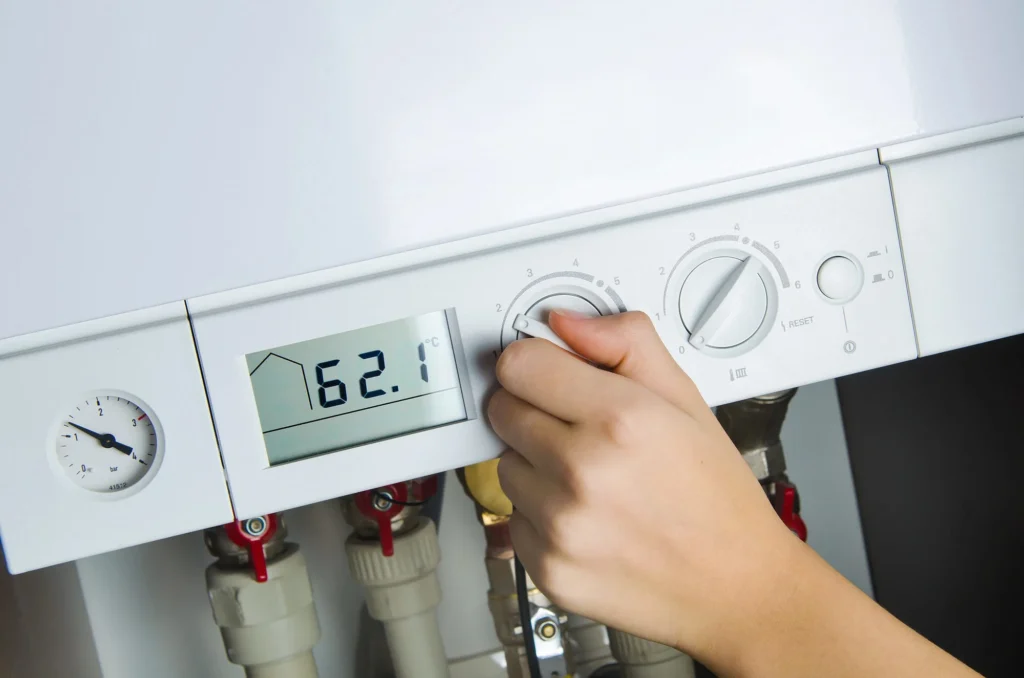
Sometimes the simplest issues cause the most frustration. If your furnace is blowing cool air, start with your thermostat.
- Make sure it’s set to “Auto,” not “Fan.” The fan setting keeps air circulating even when the furnace isn’t heating, which can feel like cold air blowing through vents.
- Check that your thermostat batteries are working.
- Verify that your temperature is set above your current indoor reading.
If you use a programmable or smart thermostat, confirm your schedule settings haven’t been changed accidentally. A technician can also recalibrate or replace a malfunctioning thermostat to ensure accurate temperature control.
2. Dirty Air Filters Are Restricting Airflow
A dirty air filter is one of the most common culprits of cold airflow complaints. Clogged filters limit air movement, causing the furnace to overheat and trigger a safety shutoff. Once the unit cools, the blower fan may continue running, pushing out cold air.
Check your filter monthly during heavy winter use. Replace it every 1–3 months or more often if you have pets or allergies. Clean filters not only improve airflow but also protect sensitive furnace components.
If your filter looks clean and you still notice poor airflow, schedule a maintenance inspection. A technician can determine if dust buildup elsewhere is causing the issue.
3. Pilot Light or Igniter Failure
Older gas furnaces rely on a pilot light—a small flame that ignites the burners. If that flame goes out, your furnace will circulate air without heat. Newer models use an electronic igniter, which can also fail over time.
To check:
- Look through the furnace window for a steady blue flame.
- If it’s flickering, yellow, or missing, the pilot may need relighting, or the igniter may require replacement.
- Clicking sounds or blinking indicator lights often point to ignition trouble.
Ignition system repairs should always be handled by a qualified HVAC professional. These components involve gas lines and safety sensors that require specialized testing and calibration.
4. Leaky or Damaged Ductwork
If some rooms feel warm while others remain chilly, your ducts may be the issue. Over time, duct joints loosen or develop cracks, allowing warm air to leak out before it reaches your vents. This can make your furnace appear to be blowing cold air, even when it’s working hard.
Signs of duct issues include:
- Whistling or rattling noises from vents
- Uneven heating between rooms
- High energy bills
A professional can inspect your ducts for leaks, seal damaged joints, and restore proper airflow throughout your home. Properly sealed ducts not only improve heating but also reduce utility costs.
5. Malfunctioning Flame Sensor
A flame sensor is a small safety device that detects whether the furnace’s burners are lit. If it’s dirty or failing, it can mistakenly signal the system to shut down, causing the furnace to blow cool air briefly before turning off.
Homeowners should avoid trying to clean the sensor themselves, as it’s delicate and connected to the ignition system. During a seasonal tune-up, technicians clean or replace the flame sensor as part of the inspection process.
Keeping this sensor clean ensures consistent heating cycles and prevents short-term shutdowns that leave you feeling cold.

6. Clogged Condensate Line or Drain
High-efficiency furnaces produce condensation as part of the heating process. That moisture drains through a small line, but if the line becomes blocked, the furnace’s built-in safety controls may prevent it from firing.
You might notice:
- Pooling water near the furnace
- The unit running but not heating
- Cold air coming from vents
Some minor blockages can be cleared by gently flushing the drain line, but if you’re unsure, it’s best to call a technician. They’ll clean the line, inspect the condensate pump, and confirm that no electrical issues are preventing ignition.
7. Overheating Furnace Triggered a Safety Shutdown
Furnaces include safety switches that activate when internal temperatures climb too high. Overheating can happen due to restricted airflow, dirty filters, or malfunctioning blower motors. When this occurs, the furnace automatically shuts off the burners to protect itself, leaving the fan to circulate cool air instead.
If your system frequently shuts down or cycles on and off rapidly, it’s likely overheating. A technician can inspect the blower motor, replace worn belts, and clean the heat exchanger to restore normal operation.
Avoid running the system continuously until the issue is diagnosed—doing so may cause lasting damage.
8. Your Furnace Is the Wrong Size for Your Home
Furnaces must be properly sized to the home they serve. An oversized unit may heat too quickly and shut off before evenly warming the house—a problem known as short cycling. An undersized furnace may run nonstop and never reach the desired temperature.
Both situations can cause cold air to blow intermittently. An HVAC expert can perform a load calculation to determine if your furnace fits your home’s needs. If replacement is necessary, they’ll recommend a system designed for Coeur d’Alene’s winter conditions, improving comfort and efficiency.
9. The Furnace Has Reached the End of Its Lifespan
Furnaces don’t last forever. Most systems have a lifespan of 15 to 20 years, and by the end of that range, their performance often begins to drop.
If your furnace is blowing cold air and you’ve already addressed filters, settings, and components—but the problem persists—age might be the cause.
Common signs your furnace is failing:
- Frequent repairs
- Rising utility bills
- Uneven or unreliable heat
- Strange noises (rattling, humming, or popping)
Older furnaces become less efficient and struggle to keep up with Idaho winters. Replacing an outdated unit with a modern, energy-efficient model can significantly enhance your home’s comfort and lower heating costs.
What You Can Try Before Calling a Technician
Some furnace issues are simple enough for homeowners to assess safely. If your furnace is blowing cold air, try these steps first:
- Check your thermostat. Make sure it’s on “Heat” and set above the current room temperature.
- Inspect the air filter. If it looks dirty or gray, replace it.
- Reset your furnace. Turn the system off at the thermostat and circuit breaker. Wait a few minutes, then restart.
- Ensure vents are open. Closed or blocked vents restrict airflow and cause cold spots.
- Look at the pilot light (if applicable). No flame? It may need relighting or service.
These simple checks can sometimes resolve the issue. If not, further troubleshooting requires a professional technician.
When to Call for Professional Furnace Repair
If your furnace still won’t heat after those basic steps—or if it repeatedly shuts down, short cycles, or makes loud noises—don’t wait.
Call an experienced HVAC technician if:
- Your system is more than 10 years old and underperforming
- You hear scraping, banging, or buzzing from the unit
- The issue returns even after changing the filter
- The thermostat appears unresponsive or inaccurate
- Your energy bill suddenly spikes without a clear reason
HVAC systems are complex. Attempting repairs without proper training can worsen the issue, create safety hazards, or void warranties.
Licensed technicians have the tools to:
- Test and replace failing igniters or flame sensors
- Clean and inspect heat exchangers
- Repair or replace blower motors
- Clear blocked condensate lines
- Conduct full diagnostics and safety checks
- Recommend system replacements, if necessary
Fast response is especially important in freezing weather, when lack of heat can damage your plumbing and impact your family’s comfort.
Prevent Cold-Air Surprises with Regular Furnace Maintenance
Most cold air issues start small. A clogged filter or a dirty sensor can quietly cause problems—until one day your furnace stops working.
Annual maintenance helps prevent this.
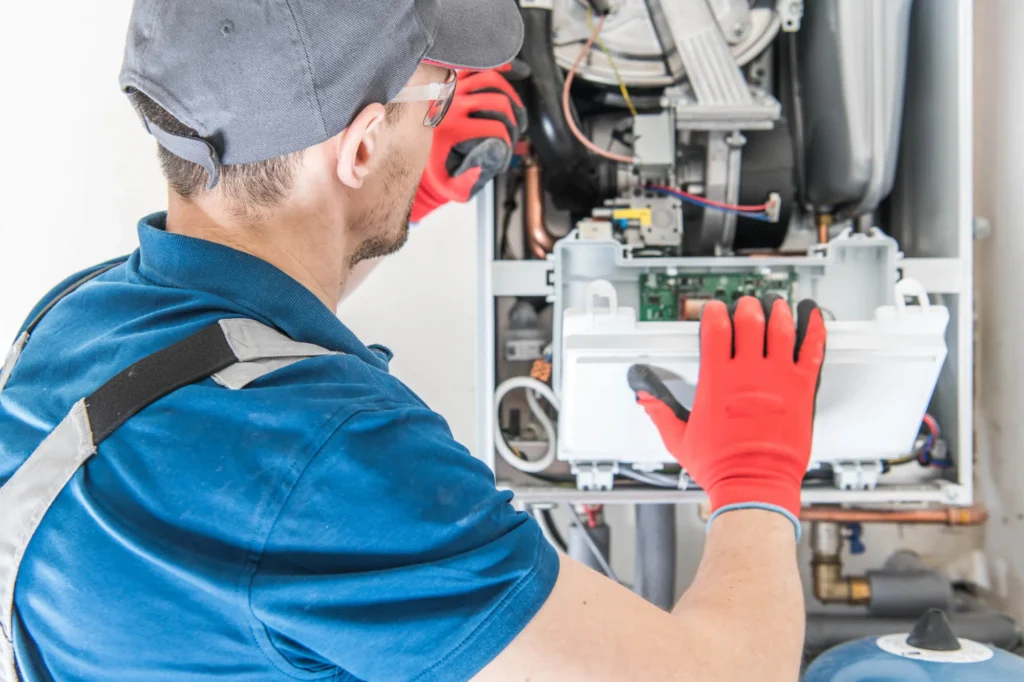
A comprehensive furnace tune-up includes:
- Checking and cleaning internal components
- Inspecting the ignition and flame sensor
- Testing thermostat function
- Inspecting ductwork for leaks
- Verifying safety controls and carbon monoxide risks
Routine inspections also allow technicians to identify worn-out parts before they fail. That’s especially important during long, demanding Coeur d’Alene winters.
If you want consistency, consider a seasonal service plan. These maintenance programs typically include:
- Guaranteed service appointments
- Priority response during busy seasons
- Discounts on repairs
- Free or discounted tune-ups
- Furnace efficiency checks
Staying ahead of problems means fewer breakdowns, lower bills, and a longer-lasting system.
What to Know This Winter
When your heating system stops doing its job, it’s more than inconvenient—it’s a disruption to daily life. Whether the problem is a dirty flame sensor or a failing blower motor, finding furnace repair quickly becomes the top priority.
Look for technicians who offer:
- Same-day or 24/7 emergency repairs
- Full diagnostic services
- Transparent pricing
- Experience with both gas and electric systems
- A satisfaction or performance guarantee
Your furnace needs to handle not just the cold—but the unpredictable. Snowstorms, power outages, and sub-zero nights are all part of the season here. That’s why you want trained professionals who know how to keep homes in North Idaho warm, even when the weather won’t cooperate.
Restore Comfort with Furnace Repair in Coeur d’Alene, ID!
If your furnace is blowing cold air—or you just want to avoid that scenario altogether—reach out to Holliday Heating + Cooling + Electric. Our team of licensed professionals is ready to help, whether you need a quick filter replacement, ignition repair, or a full furnace upgrade.
We offer:
- 24/7 emergency repairs
- Full system diagnostics and maintenance
- Replacement evaluations and new installs
- Tune-ups, safety inspections, and seasonal service plans
Contact us today to schedule your service or book a free second opinion. Restore warmth to your home and peace of mind to your winter.