Winter in Spokane can be long, snowy, and bitterly cold. When temperatures drop, you depend on a reliable furnace more than almost anything else in your home. If your current system is aging, struggling, or showing signs of failure, replacing it becomes an important decision—not something you want to rush during the first cold snap.
Understanding your options helps you choose wisely, stay warm, and avoid unnecessary stress. If you’re preparing for furnace installation in Spokane, this buyer’s guide gives you the clarity and confidence you need before moving forward.
Do You Really Need to Replace Your Furnace?
Many homeowners hope to squeeze one more winter out of an older system. While that’s understandable, aging furnaces don’t always cooperate. In Spokane’s cold winters, even a small decline in performance can impact comfort and energy use.
Signs your furnace may need replacement:
- Age: Most systems last 15–20 years.
- Rising energy bills: Declining efficiency shows up on your monthly statement.
- Frequent or repeat repairs: Two or more major repairs often indicate deeper issues.
- Uneven heating: Rooms fluctuate in temperature or stay cold.
- Loud operation: Rattling, buzzing, or banging may point to failing components.
- Struggling in low temperatures: A furnace that can’t keep up during cold spells may be near the end.
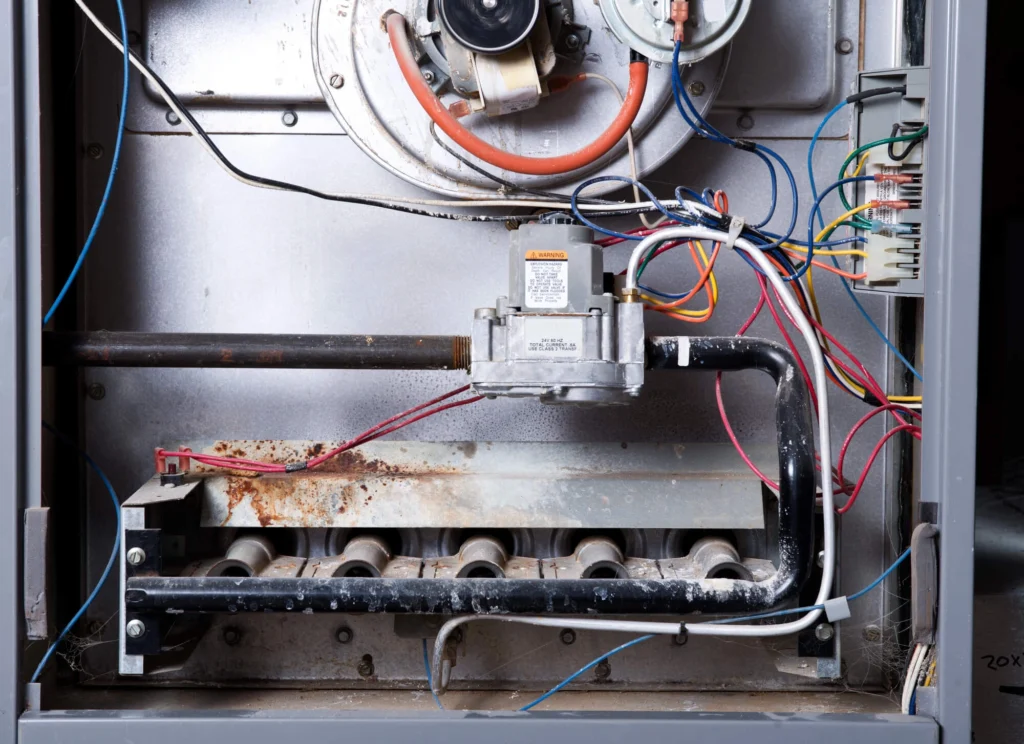
A licensed HVAC technician can perform a comprehensive diagnostic to determine whether a repair or replacement is the more suitable option. Diagnostics may include examining the heat exchanger, checking for ignition problems, inspecting airflow, and identifying outdated or unsafe components. If the system is unsafe or no longer cost-effective to repair, replacement becomes the better long-term choice.
Choosing the Right Type of Furnace
Spokane homeowners have several furnace options. Your choice depends on your home’s size, energy source, budget, and comfort goals. Understanding each type helps you select a system built to handle long winters.
1. Gas Furnaces
Gas furnaces are the most common in Spokane. They heat quickly, perform well in freezing conditions, and easily handle larger homes.
Benefits:
- Strong heat output
- Lower operating costs than electric systems
- Reliable in extreme cold
They suit homeowners with natural gas access and moderate to large heating needs.
2. Electric Furnaces
Electric systems offer a lower upfront cost and simpler installation. They’re ideal for smaller homes or areas that lack natural gas.
Benefits:
- Quiet operation
- Less frequent repairs
- Long lifespan
They tend to cost more to operate monthtomonth, especially in Spokane’s long heating season.
3. DualFuel or Hybrid Systems
A hybrid setup pairs an electric heat pump with a gas furnace. The system automatically selects the most efficient fuel source based on outdoor temperatures.
Benefits:
- Excellent energy savings
- Smooth, balanced heating
- Reduced winter utility costs
Hybrid systems are well-suited for homeowners who want efficiency without compromising cold-weather performance.
4. HighEfficiency Furnaces (90–98% AFUE)
New high-efficiency models reduce energy waste and can significantly lower heating costs.
Benefits:
- Better comfort
- Lower monthly bills
- Cleaner, more efficient operation
These units are ideal for long-term homeowners who want lower utility expenses and improved indoor temperature control.
A professional can help you compare models and select the best match for your home’s layout, square footage, and winter demands.
How Big Should Your Furnace Be?
Proper sizing is one of the most important steps in furnace replacement. A unit that’s too large or too small will cause comfort issues and raise energy costs. Spokane homes vary widely—from older Craftsman houses to newer developments—so sizing isn’t onesizefitsall.
Why sizing matters:
- Oversized systems heat too quickly, shut off early, and create uneven temperatures.
- Undersized systems run nonstop, struggle in freezing weather, and rarely reach the set temperature.
Correct sizing comes from a detailed load calculation, which considers:
- Home square footage
- Ceiling height
- Window type and placement
- Insulation levels
- Home layout and air leakage
- Spokane’s climate demands
Professionals use this calculation to ensure your system can handle winter lows while maintaining comfort without wasting energy.
Duct inspections also play a role. Leaky or poorly insulated ducts can force a furnace to work harder, so addressing duct issues before or during installation helps your new system perform at its best.
What to Expect During Furnace Installation
Understanding the installation process can significantly alleviate the stress homeowners often feel when replacing their system. A well-planned installation ensures safety, efficiency, and a long equipment lifespan.
Before installation
Technicians usually:
- Remove the old furnace
- Inspect ducts, electrical connections, and gas lines
- Verify ventilation and exhaust pathways
- Confirm system sizing and placement
- Make safety and codecompliance checks
During installation
The new furnace is positioned, leveled, and connected to your home’s utilities. Technicians install compatible thermostats as needed, adjust ducts, and secure all ventilation systems.
After installation
You can expect:
- Performance testing to confirm proper airflow and temperature
- Safety checks
- Thermostat syncing or smart thermostat setup
- Guidance on system operation and maintenance
- Warranty registration details
A smooth installation sets the foundation for years of dependable heating, especially during harsh Spokane winters.
Understanding Your Furnace’s Efficiency Rating
When shopping for a new furnace, one of the most important terms you’ll encounter is AFUE, or Annual Fuel Utilization Efficiency. This rating tells you how much of the fuel your furnace consumes is converted into usable heat.
- An 80% AFUE furnace converts 80% of its fuel into heat, while 20% is lost through exhaust.
- A 95% AFUE furnace wastes only 5%, making it far more efficient.
Why This Matters in Spokane
With long winters and frequent freezing temperatures, Spokane homeowners benefit from high-efficiency systems. A more efficient furnace:
- Keeps utility bills lower
- Reduces environmental impact
- Provides steadier indoor temperatures
- Increases long-term value
If you plan to stay in your home for many years, investing in a higher AFUE model can pay off in energy savings over time. A professional can recommend systems that match both your efficiency goals and budget.
Common Features to Look For
Modern furnaces come with a wide range of features designed to improve comfort, efficiency, and control. While not all features are essential, knowing your options helps you make a more informed decision.
Popular Features:
- Variable-speed blowers: Adjust airflow gradually for even heat and quiet operation
- Two-stage heating: Allows the furnace to run on low during mild days and high when it’s very cold
- Smart thermostat compatibility: Lets you adjust settings from your phone and helps reduce energy waste
- Zoning support: Directs heat to areas that need it most
- Integrated air filtration or humidifiers: Improves indoor air quality and comfort
These features can be especially beneficial in homes with multiple floors, older ductwork, or inconsistent room temperatures.
What It Costs and Where You Can Save
The total cost of a new furnace encompasses more than just the unit’s price. Installation, duct adjustments, accessories, and labor all factor into the final amount. Still, the right system can lower monthly bills and qualify for rebates, reducing long-term expenses.
Typical Costs Include:
- Furnace unit (based on size, type, and efficiency)
- Labor and installation
- Thermostat upgrade
- Electrical or gas line modifications
- Permits and safety checks
Where Spokane Homeowners Can Save:
- Utility rebates for high-efficiency units
- Energy savings over time
- Fewer repairs with a new system
- Preventative maintenance plans that reduce service costs
- Free second opinions from licensed contractors
Requesting a detailed estimate before installation helps you understand all costs and avoid surprises.
Maintenance Tips to Protect Your Investment
After furnace installation, your work isn’t done. Protecting your new system means staying proactive with regular maintenance. These simple steps help you get the most out of your investment.
Homeowner Maintenance Checklist:
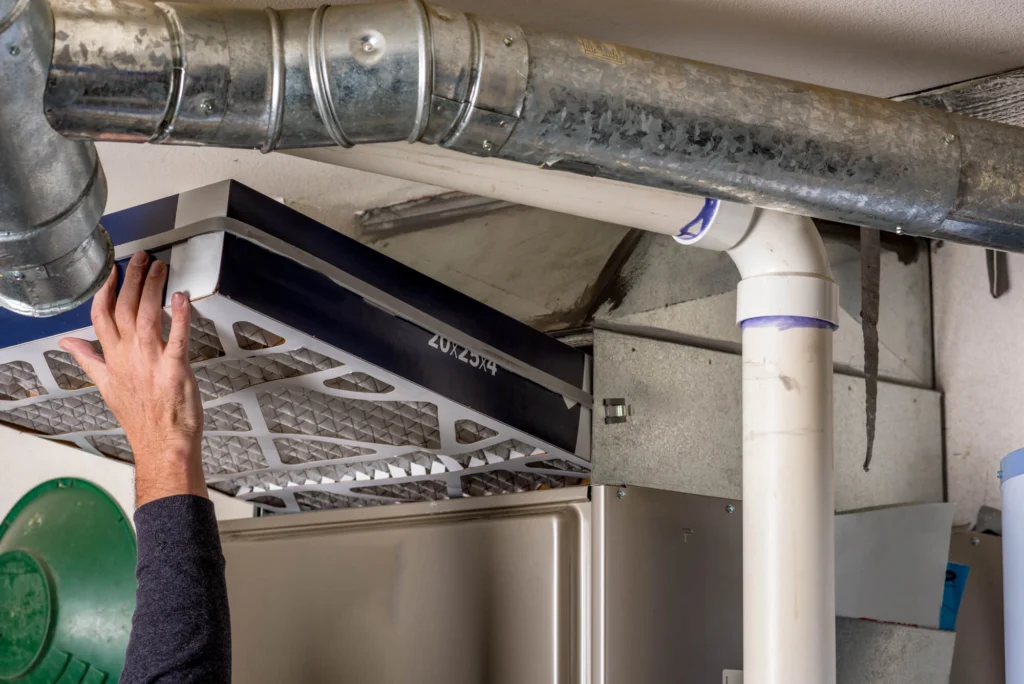
- Change the air filter every 1–3 months
- Keep supply and return vents unblocked
- Monitor thermostat settings for efficient use
- Listen for unusual noises during operation
- Schedule an annual tune-up
Professional tune-ups catch small issues early, reduce wear and tear, and help your system run more efficiently. Some homeowners also sign up for seasonal maintenance plans that include priority service, filter replacements, discounts on repairs, and performance inspections.
When Furnace Replacement Becomes Urgent
Sometimes, furnace replacement can’t wait. In extreme cases, waiting too long can leave your home unheated during freezing temperatures or create safety concerns.
Urgent Signs:
- Complete system failure during winter
- Cold air blowing when heat is on
- Burning smells or electrical odors
- Yellow pilot flame (instead of blue)
- Unexplained spikes in energy bills
- Carbon monoxide detector alerts
If you experience any of these issues, shut down the system and call for immediate assistance. Most HVAC companies offer 24/7 emergency service and can fast-track replacements if needed.
What You Should Know Before Scheduling Furnace Installation
Furnace installation in Spokane isn’t a one-size-fits-all process. Every home has different heating needs, insulation levels, and duct conditions. A system that works great in a newer development may not perform well in a Craftsman bungalow or historic property.
Questions to Ask Before Installation:
- Is my current ductwork compatible with a new system?
- Will I need a thermostat upgrade?
- What’s the right furnace size for my square footage?
- Am I eligible for utility rebates or efficiency incentives?
- What kind of maintenance plan is available after installation?
Local technicians understand Spokane’s unique weather challenges and home layouts. They can guide you through every step, from sizing and system selection to installation and maintenance.
Are You Considering Furnace Installation in Spokane?
Need help deciding which furnace is right for your home? Ready to replace a system that’s no longer keeping up with Spokane’s winters?
Trust the experienced professionals at Holliday Heating + Cooling + Electric. Our team offers:
- Complete furnace diagnostics
- Expert sizing and installation
- Smart thermostat setup
- Duct inspections and airflow evaluations
- High-efficiency models with rebate guidance
- Maintenance plans and emergency support
Contact us today to schedule a free consultation or second opinion. Stay comfortable, efficient, and confident in your home’s heating system this winter.