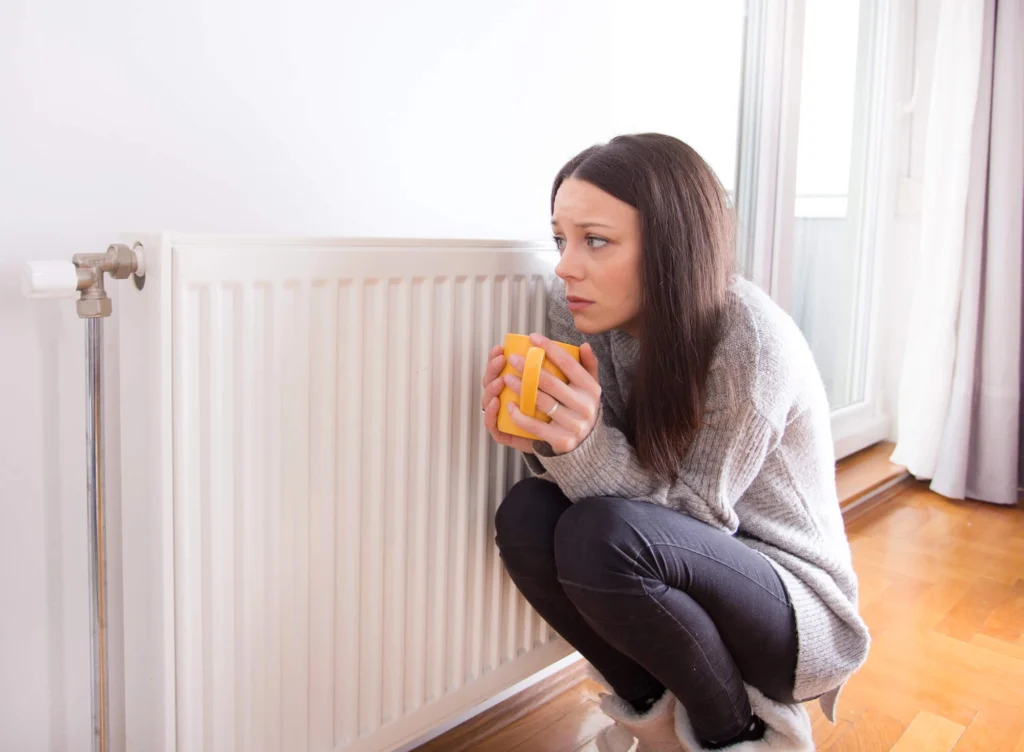
It’s early morning in Medical Lake. The air is crisp. Maybe there’s frost on the windows. You shuffle out of bed, expecting the usual warmth from your heating system—but something feels off. It’s freezing inside.
You check the thermostat. It’s set right. But the heat isn’t running. The fan is silent. That sinking feeling settles in—you might be facing an HVAC failure. Fortunately, you’re not alone, and there are steps you can take right now to stay warm, stay safe, and possibly even fix the issue yourself.
When your HVAC in Medical Lake stops working in winter, a fast response matters.
Your Heat Just Stopped—Now What?
Staying Calm and Starting with Safety
Before diving into thermostat settings and circuit panels, take a moment to check your surroundings. Safety should always come first.
1. Sniff for Gas or Burning Odors
A strong, sulfur-like smell, reminiscent of rotten eggs, may indicate a gas leak. Leave the house immediately. Don’t flip light switches or use electronics. Once you’re safely outside, contact your gas provider.
Burning smells could indicate overheated components, such as a blower motor or circuit board. Turn off the system at the thermostat and breaker. Call for service.
2. Check Carbon Monoxide Detectors
If your heat source uses gas, oil, or wood, a working CO detector is essential. If the alarm sounds, ventilate the home immediately and get outside. Call emergency services and have your HVAC system inspected before using it again.
3. Use Space Heaters Safely
If you need to warm a room temporarily:
- Keep heaters three feet from curtains, bedding, or furniture.
- Plug them directly into the wall. Avoid extension cords.
- Turn them off before leaving the room or going to sleep.
Never use your oven, grill, or gas stove to heat your home.
Troubleshooting Your HVAC System
Once safety is handled, it’s time to see if the issue is something simple. Many common furnace problems can be resolved without tools or experience.
Step 1: Check the Thermostat
This might sound obvious, but sometimes the thermostat is the culprit. Is it set to “Heat”? Is the temperature set several degrees higher than the room temperature? If it uses batteries, try replacing them.
If your thermostat is programmable or smart, make sure it hasn’t defaulted to an energy-saving mode or incorrect schedule.
Step 2: Inspect the Circuit Breaker
Go to your home’s breaker panel and look for any tripped switches—especially those labeled “Furnace” or “HVAC.” If one is in the middle position, switch it fully off, then back on.
If the breaker keeps tripping after a reset, don’t attempt it again. Call a technician. You could be dealing with an electrical fault.
Step 3: Replace or Clean the Air Filter
Air filters get dirty fast in winter. If airflow is blocked, the system can overheat and shut down automatically. A filter change takes less than two minutes and can restore heat if that’s the issue.
Make a habit of checking the filter monthly during periods of heavy use.
Step 4: Reset the Furnace
Some furnaces have a reset button on the unit. If your system shut off due to a safety sensor, resetting may get it running again. Turn the furnace off at the thermostat, wait 30 seconds, then press the reset button (usually red or yellow). Only try this once.
Step 5: Look for Ice on Outdoor Units
If you have a heat pump, ice may be building up on the outside unit. This restricts airflow and can trigger a shutdown. While some frost is normal, a thick layer of ice isn’t.
Switch to “Emergency Heat” if available, and contact a technician. Never chip away the ice—it can damage coils and fins.
Step 6: Listen for Unusual Sounds
Furnaces and heat pumps often “tell” you what’s wrong before they stop completely. Loud clicking, grinding, or buzzing noises may signal trouble with the ignition system, blower motor, or electrical wiring.
Unusual silence when the system should be on? Another red flag.
Step 7: Check Vents and Airflow
Walk through your home and make sure nothing is blocking the vents—especially rugs, furniture, or closed doors. Poor airflow can cause overheating and cycling issues.
If you have multiple cold rooms, uneven heating, or weak airflow at the vents, it may be time for a duct inspection.
Still No Heat? Here’s What to Do While You Wait
Sometimes the problem won’t be something you can fix yourself. If that’s the case, it’s important to keep your home as warm as possible while you wait for professional help.
1. Close Off Unused Rooms
Keep heat in the areas you’re using. Shut doors to guest rooms, basements, or unused spaces. Focus warmth in your main living areas and bedrooms.
2. Block Drafts and Seal Windows
Roll up towels or blankets and place them along door thresholds. Close heavy curtains to trap warmth. If the sun is out, open the shades on south-facing windows to let in natural heat.
3. Layer Up—And Keep Moving
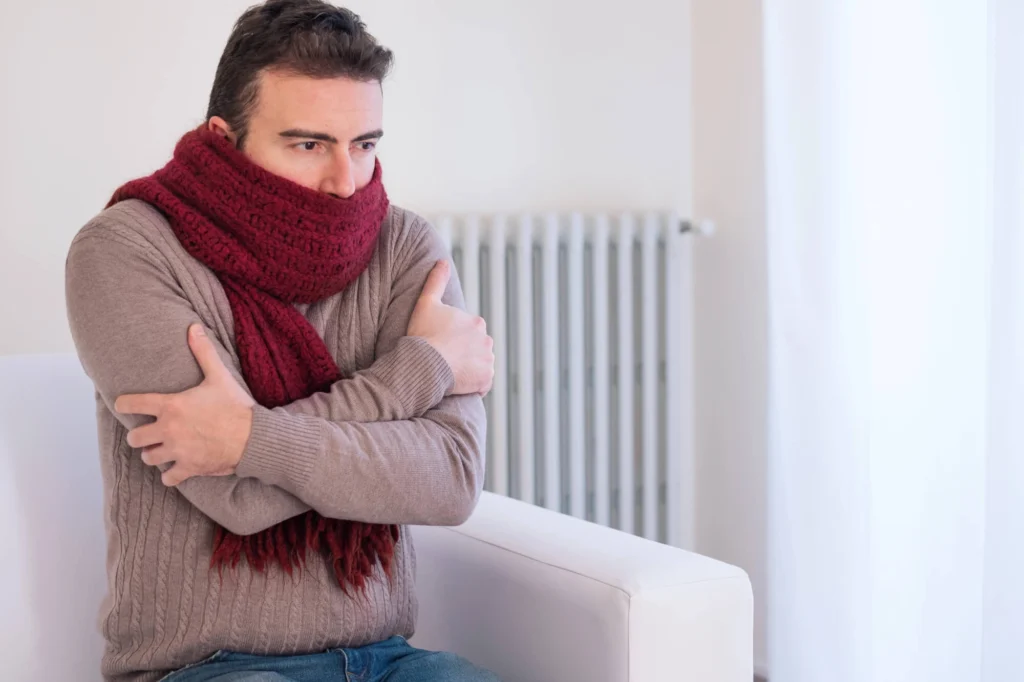
Wearing thermal layers, socks, and hats inside the house goes a long way. Movement helps generate body heat. Children and pets, in particular, benefit from bundling up in shared spaces.
4. Prepare for Overnight Without Heat
If you can’t get your system repaired the same day:
- Make one room your “warm zone” and stay together
- Use safe heating sources as described earlier
- Have extra blankets ready
- If temperatures are dangerously low, consider staying with friends or at a hotel
When to Call for Professional HVAC Repair
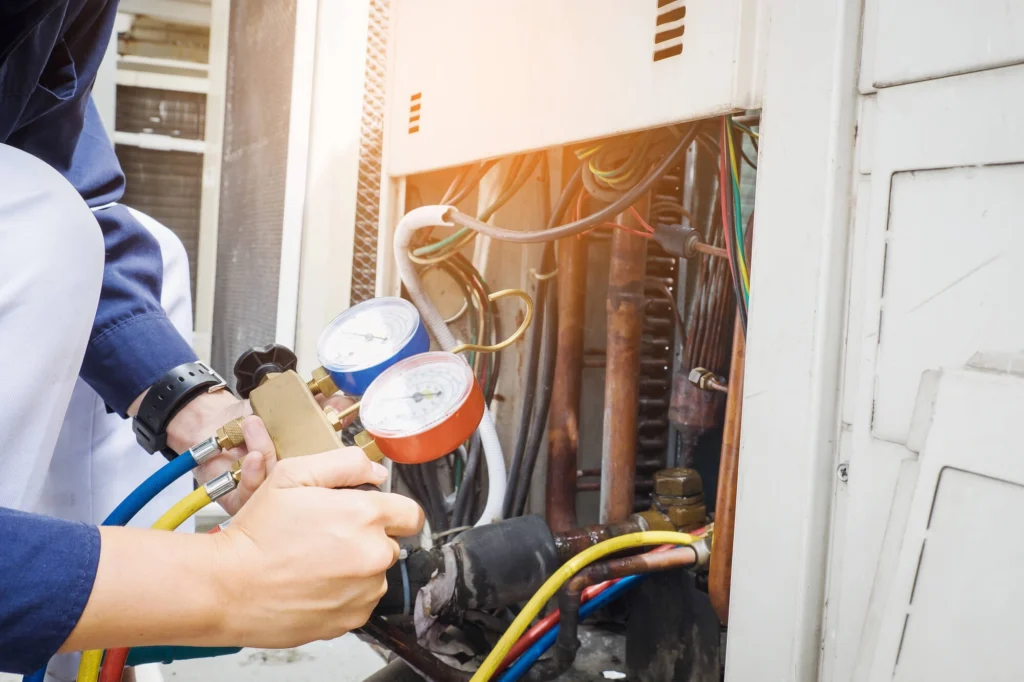
If you’ve run through the basic checks—thermostat, filter, breaker—and your system still won’t cooperate, it’s time to call a professional. Here’s how to determine if it’s not just a fluke, but a real problem that requires attention.
1. You Hear Strange Noises
If your system starts clicking, grinding, or buzzing, it’s best to stop using it and call for service. These sounds can signal motor issues, ignition problems, or even loose components. Running it while damaged may cause more harm.
2. The Heat Turns On, Then Immediately Shuts Off
This could be short cycling. It may occur due to a clogged filter, a faulty flame sensor, or a malfunctioning thermostat. It’s a sign your system is trying—but failing—to complete its heating cycle.
3. Cold Air Blows from the Vents
If your furnace or heat pump turns on but never delivers warm air, it could mean the burners aren’t lighting, the gas valve isn’t opening, or refrigerant levels are low in a heat pump. Either way, it requires professional troubleshooting.
4. You Smell Something Burning (and It’s Not Dust)
While it’s normal to smell a little dust burning off the first time your system runs each season, anything beyond that—especially a plastic or electrical smell—means something’s wrong. Shut the system off and call for service.
5. The Furnace or Heat Pump Is More Than 15 Years Old
Even if it’s technically working, an aging system may run inefficiently and break down often. Replacing it may save you money in the long run while improving reliability and comfort during Medical Lake’s coldest nights.
What Causes Winter HVAC Failures in Medical Lake?
Cold weather puts your heating system under pressure. Here are a few reasons why heating systems tend to fail when you need them most.
- Overuse without maintenance: running 24/7 during freezing weather, your system works hard. Without seasonal tune-ups, dust buildup and worn parts slowly reduce performance until something fails.
- Clogged or dirty filters: filters trap dust, allergens, and pet hair—but when they get too full, airflow slows down. Your system may overheat, shut off prematurely, or malfunction entirely.
- Faulty thermostats: even a brand-new furnace won’t work if the thermostat is failing. Outdated or battery-powered thermostats are more likely to lose calibration or glitch in extreme temperatures.
- Frozen outdoor units (for heat pumps): Ice and snow can accumulate on the coils or fan blades of heat pumps, limiting their functionality. If the defrost cycle fails, the unit may shut down for safety.
- Aging or poorly sealed ductwork: leaky ducts lose warm air before it reaches your rooms, forcing your system to work harder than it should. In some cases, the furnace works—but you still feel cold.
How to Prevent a Cold Morning Next Winter
Emergency breakdowns are stressful. But most heating failures are preventable with a few simple habits.
1. Schedule a Tune-Up Every Fall
Getting a professional HVAC tune-up before winter arrives is one of the best ways to avoid unexpected issues. It gives technicians a chance to:
- Clean the burners and blower
- Check safety switches and ignition
- Test airflow and temperature output
- Catch problems early before parts fail
2. Replace Filters Regularly
Set a reminder to check your furnace filter monthly. Replace it every 1–3 months, depending on dust, pets, and usage. A clean filter keeps air flowing, parts working, and energy bills low.
3. Keep the Outdoor Unit Clear
If you use a heat pump, regularly remove snow, leaves, and debris from the area around your outdoor unit. Aim for 18–24 inches of clearance on all sides.
4. Seal and Insulate Your Home
Drafty windows and unsealed doors force your system to work harder. Use weather stripping, thermal curtains, and attic insulation to retain warmth. Your heating system won’t have to run as often, and you’ll stay more comfortable.
5. Upgrade Older Thermostats
Switch to a programmable or smart thermostat to prevent constant cycling and reduce the risk of human error. Many newer models can monitor outdoor temps, adapt heating schedules, and alert you to issues.
Need Help with Your HVAC in Medical Lake?
If your heat isn’t working—or if you’d rather not risk waking up cold—our team at Holliday Heating + Cooling + Electric is ready to help. We offer fast and professional service to homes throughout Medical Lake and the surrounding areas.
From furnace repairs and system tune-ups to full replacements and 24/7 emergency service, we’ll make sure your home stays warm, efficient, and safe—even in the heart of winter.
Call today to schedule a repair, book a seasonal checkup, or request a complimentary second opinion. We’re here when your home needs us most.