Power outages can happen at any time of year, especially during spring storms in the Inland Northwest. Many homeowners are turning to backup generators for peace of mind. A properly installed system can keep your lights on, your heat running, and your home safe during an outage.
Still, not every installation goes as planned. Small mistakes during setup can lead to expensive repairs, safety risks, or systems that fail when you need them most. Understanding what to avoid is just as important as knowing what to install.
If you are considering generator installation in Spokane, this guide will help you avoid the most common and costly mistakes. With the right preparation, you can protect your investment and ensure your system performs reliably for years.
Why Proper Generator Installation Matters
A generator is more than a convenience. It becomes part of your home’s electrical system. That means installation must be done with care, accuracy, and attention to safety standards.
Improper installation can lead to:
- Electrical damage to appliances and systems
- Fire hazards caused by faulty wiring
- Carbon monoxide risks from poor placement
- Code violations that create legal or insurance issues
Fixing these problems often costs far more than doing the job correctly from the start. A well-installed generator delivers consistent power, operates safely, and protects your home during unexpected outages.
The Most Costly Generator Installation Mistakes
Understanding common mistakes gives you a clear path to avoid them. Many of these issues come from rushing the process or skipping key steps.
1. Choosing the Wrong Generator Size
One of the most frequent mistakes is selecting a generator that does not match your home’s needs.
An undersized unit cannot power essential systems. Your heating, refrigeration, and lighting may still fail during an outage. On the other hand, an oversized unit increases upfront costs and wastes fuel.
Many homeowners try to estimate their needs based on square footage alone. That approach often leads to poor results. Electrical demand depends on appliances, heating systems, and usage patterns.
The best solution is a professional load calculation. This process evaluates your home’s electrical demand and identifies which systems should run during an outage. With accurate sizing, your generator performs efficiently without unnecessary strain.
2. Skipping a Load Calculation Entirely
Closely related to sizing is the mistake of skipping a load calculation altogether. Some installations move forward without a clear understanding of power requirements.
Without this step, the generator may overload or fail to start critical systems. Circuits can trip, and performance becomes unpredictable.
A load calculation also helps prioritize what matters most. You may not need to power every outlet in your home. Focusing on essential systems ensures better performance and longer generator life.
3. Improper Generator Placement
Placement plays a major role in both safety and performance. Generators must be positioned with proper clearance and ventilation.
Installing a unit too close to the home increases the risk of carbon monoxide exposure. Poor airflow can also cause overheating, which reduces efficiency and shortens lifespan.
In Spokane, seasonal conditions add another layer of concern. Spring rain, pooling water, and debris buildup can interfere with airflow or affect electrical components if the unit is not positioned correctly.
To avoid these problems:
- Install the generator on a stable, level, and slightly elevated surface
- Maintain proper clearance from walls and openings
- Keep the area free of debris, leaves, and standing water
Thoughtful placement supports safe operation and reliable performance throughout the year.
4. Ignoring Electrical Panel Compatibility
Your generator must integrate with your home’s electrical panel. If the panel is outdated or undersized, it may not support the added load.
Older panels often lack the capacity or safety features needed for modern generator systems. Attempting to connect a generator without evaluating the panel can lead to overloads or system failure.
Upgrading the panel may be necessary before installation. This step ensures that your electrical system can handle the transition between utility power and generator power without issues.
5. Not Installing a Transfer Switch
A transfer switch is a critical component of any generator system. It controls how power flows between the generator and your home.
Without a transfer switch, electricity can flow back into utility lines. This creates a serious hazard for utility workers and increases the risk of electrical damage.
Transfer switches also make operation easier. They allow you to switch power sources safely and efficiently without manual rewiring.
Skipping this step may save money upfront, but it introduces significant risks and potential long-term costs.
6. Attempting DIY Installation
Some homeowners consider installing a generator themselves to save on labor costs. While that approach may seem appealing, generator installation involves complex electrical work and strict code requirements.
Mistakes in wiring, grounding, or fuel connections can lead to system failure or safety hazards. Improper installation may also void manufacturer warranties.
Licensed professionals understand local codes, safety standards, and proper installation techniques. Working with experienced technicians reduces risk and ensures your system performs as intended.
7. Overlooking Fuel Type and Supply
Choosing the right fuel source is another important decision. Generators can run on natural gas, propane, or gasoline. Each option has its own advantages and limitations.
Failing to plan for fuel availability can create problems during extended outages. A generator that runs out of fuel becomes useless when you need it most.
Consider:
- How long outages typically last in your area
- How fuel will be stored or delivered
- Safety requirements for storage
Proper planning keeps your generator ready for any situation.
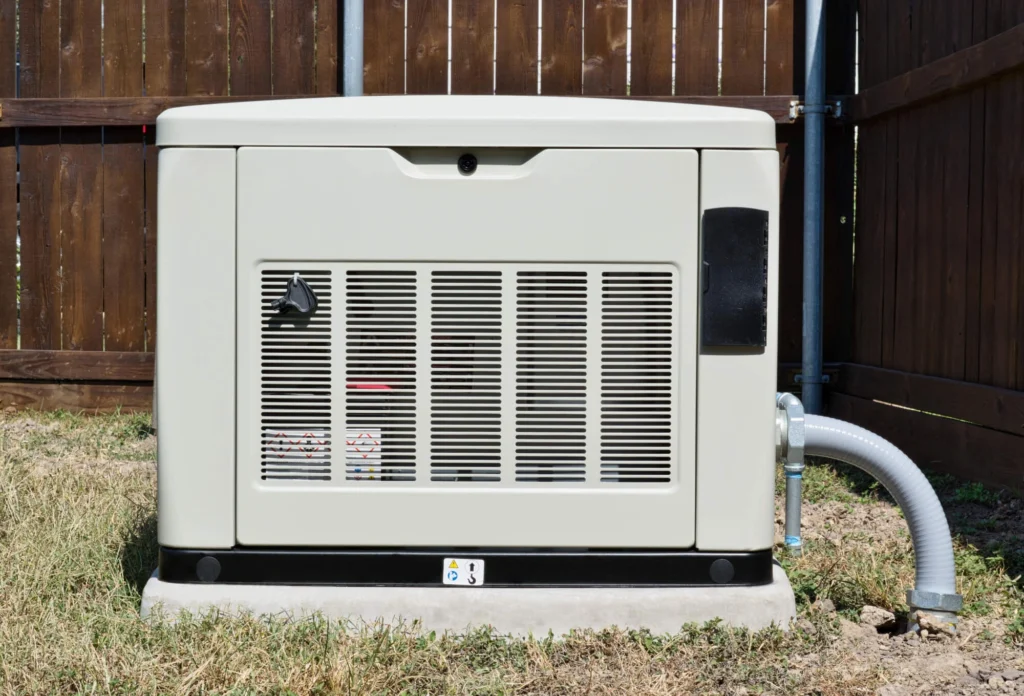
Failing to Account for Spokane’s Seasonal Conditions
Spokane’s spring weather brings rain, temperature swings, and increased moisture, all of which can affect generator performance. Ignoring these conditions during installation can lead to unexpected issues.
Generators exposed to standing water or poor drainage may struggle to operate. Excess moisture can affect electrical components, while fluctuating temperatures can impact battery performance.
To prepare for spring conditions:
- Elevate the generator slightly above ground level
- Ensure proper drainage around the unit
- Keep vents clear of debris, mud, and leaves
- Use weather-rated enclosures when needed
Planning for seasonal changes helps your generator perform reliably throughout the year.
Skipping Permits and Code Requirements
Generator installation involves electrical work that must meet local building codes. Skipping permits or inspections may seem like a way to speed up the process, but it often creates long-term problems.
Unpermitted work can lead to:
- Fines or required reinstallation
- Insurance issues in the event of damage
- Safety risks due to improper installation
Working within code ensures your system is safe, compliant, and approved for use. It also protects your investment if you decide to sell your home in the future.
Neglecting Maintenance Planning from the Start
A generator is not a “set it and forget it” system. Without regular maintenance, performance declines over time. Some homeowners install a generator and assume it will work perfectly for years without attention.
Lack of maintenance can lead to:
- Failure to start during an outage
- Reduced efficiency
- Increased wear on internal components
- Simple maintenance steps make a difference:
- Test the system regularly
- Schedule annual inspections
- Replace worn parts as needed
Planning for maintenance from the beginning ensures your generator remains dependable.
What Proper Generator Installation Should Include
A well-installed generator system follows a structured process. Each step ensures safe operation and long-term performance.
A complete installation should include:
- A detailed load calculation to determine proper sizing
- Evaluation of the existing electrical panel
- Installation of a transfer switch
- Proper placement with safe clearances
- Secure fuel connections
- System testing and final inspection
Each step plays a role in protecting your home. Skipping any part of the process increases the risk of future problems.
Signs Your Generator Installation May Be Unsafe
If your generator is already installed, it is important to watch for signs that something may not be right. Early detection can prevent costly repairs or safety hazards.
Common warning signs include:
- Difficulty starting or inconsistent operation
- Unusual noises or excessive vibration
- Frequent shutdowns during use
- Strong fuel odors or visible leaks
- Generator placed too close to the home
- No visible transfer switch
If you notice any of these issues, it is best to have the system inspected by a professional. Addressing concerns early can prevent more serious damage.
Avoiding Costly Generator Mistakes
Generator installation is a valuable investment, especially in areas where power outages are common. When done correctly, it provides comfort, safety, and reliability.
Most costly mistakes come from rushing decisions or overlooking key details. Taking the time to plan, evaluate your home’s needs, and follow proper installation steps makes a significant difference.
A well-installed generator protects your home, supports essential systems, and gives you confidence during unexpected outages. With the right approach, you can avoid unnecessary expenses and ensure your system works when it matters most.
Need Help with Generator Installation in Spokane?
At Holliday Heating + Cooling + Electric, we understand that installing a generator is about more than convenience—it’s about protecting your home and your family. That’s why we take a careful, thorough approach to every project we handle.
We start by evaluating your home’s electrical needs and performing a proper load calculation. From there, we ensure your electrical panel is ready, install a transfer switch, and place your generator in a location that supports safe, efficient operation. Every step is completed with attention to local codes and long-term performance.
Our team also helps you choose the right system for your home, whether that means selecting the appropriate fuel type or planning for Spokane’s seasonal weather patterns. Once your generator is installed, we make sure it is tested and ready before you ever need it.
If you’re considering generator installation or want to make sure your current system is set up correctly, we’re here to help. Call Holliday Heating + Cooling + Electric today to schedule a consultation and take the next step toward reliable backup power.