
Idaho winters are nothing short of intense. When temperatures plunge, your heat pump becomes the unsung hero of home comfort. But winter doesn’t just demand more from your system—it can wear it down if left unchecked.
A well-maintained heat pump in Coeur d’Alene, ID, is crucial for consistent warmth, lower energy bills, and long-term efficiency. Whether you’re working with a standard system or a ductless mini split, a few smart steps can help you avoid breakdowns and extend the life of your unit.
Let’s look at what makes winters in Idaho so tough and what you can do to protect your system before it’s too late.
How Heat Pumps Work in Cold Weather
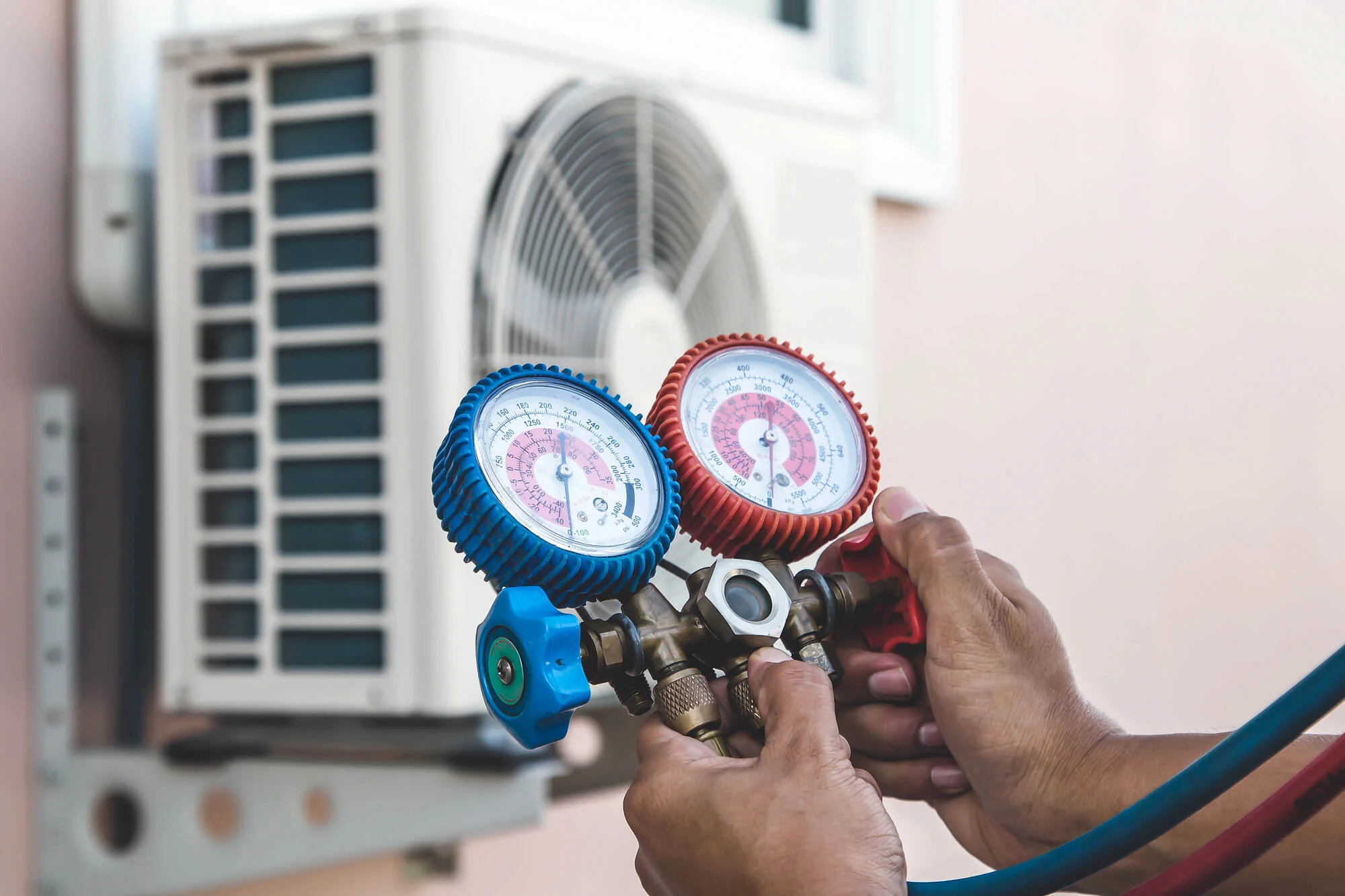
Heat pumps don’t generate heat like a furnace. They move heat from outside to inside your home—even when it’s cold out. The colder it gets, the harder your system has to work to extract and deliver that warmth.
Once temperatures drop below freezing, efficiency takes a hit. Some systems may switch to backup heat sources (like electric coils or gas), which use more energy and can drive up costs. Understanding this process helps you see why proactive maintenance is key in this climate.
Why Idaho Winters Are Hard on Heat Pumps
In places like Coeur d’Alene, winter means snow, wind, and sub-zero temperatures. Your heat pump might run longer and cycle more often to keep your home warm. That extra work can:
- Overload the compressor
- Reduce system lifespan
- Cause spikes in energy use
- Freeze outdoor components
- Lead to airflow restrictions
Ignoring these risks can result in poor performance or costly mid-season breakdowns. Prevention makes all the difference.
1. Schedule Routine Professional Tune-Ups
One of the most effective ways to extend the life of your heat pump is through regular tune-ups. An annual or bi-annual inspection before the cold weather hits ensures your system is operating efficiently and safely.
- A professional tune-up includes:
- Inspecting and cleaning components
- Testing refrigerant levels
- Ensuring proper airflow and temperature output
- Identifying worn or failing parts
- Verifying thermostat accuracy
This proactive care reduces the risk of unexpected issues and helps your system perform better during harsh conditions.
2. Change Filters Regularly
A clogged filter forces your heat pump to work harder. Restricted airflow lowers efficiency and can lead to overheating or system failure.
Check your filter monthly in winter. Replace or clean it every 1–3 months, depending on usage, pets, and indoor air quality. Keeping a clean filter:
- Improves airflow
- Reduces strain on the motor
- Helps maintain a consistent temperature
- Keeps indoor air cleaner
It’s a small task that pays off big in system performance and longevity.
3. Clear Snow and Ice Around Outdoor Units
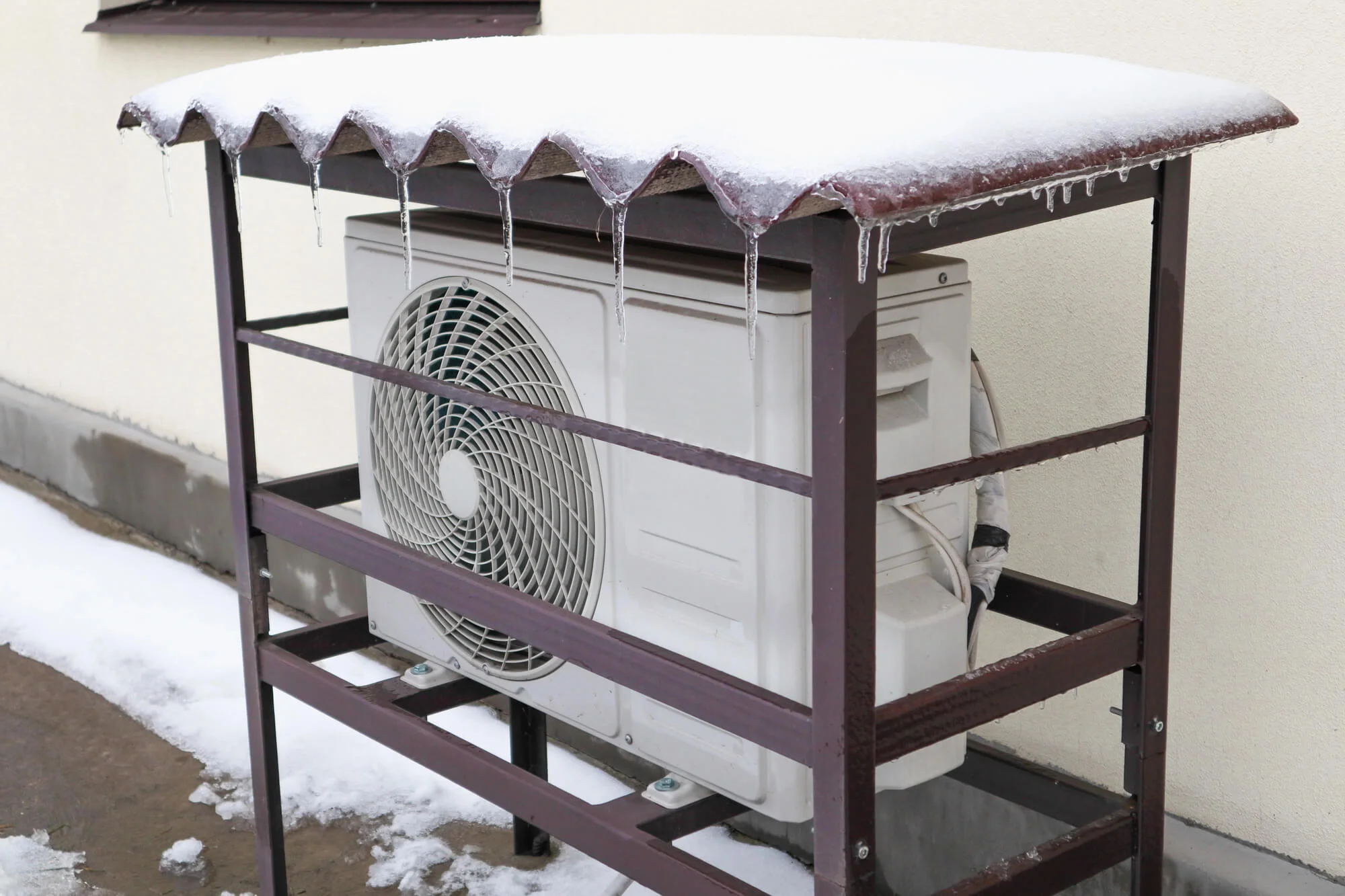
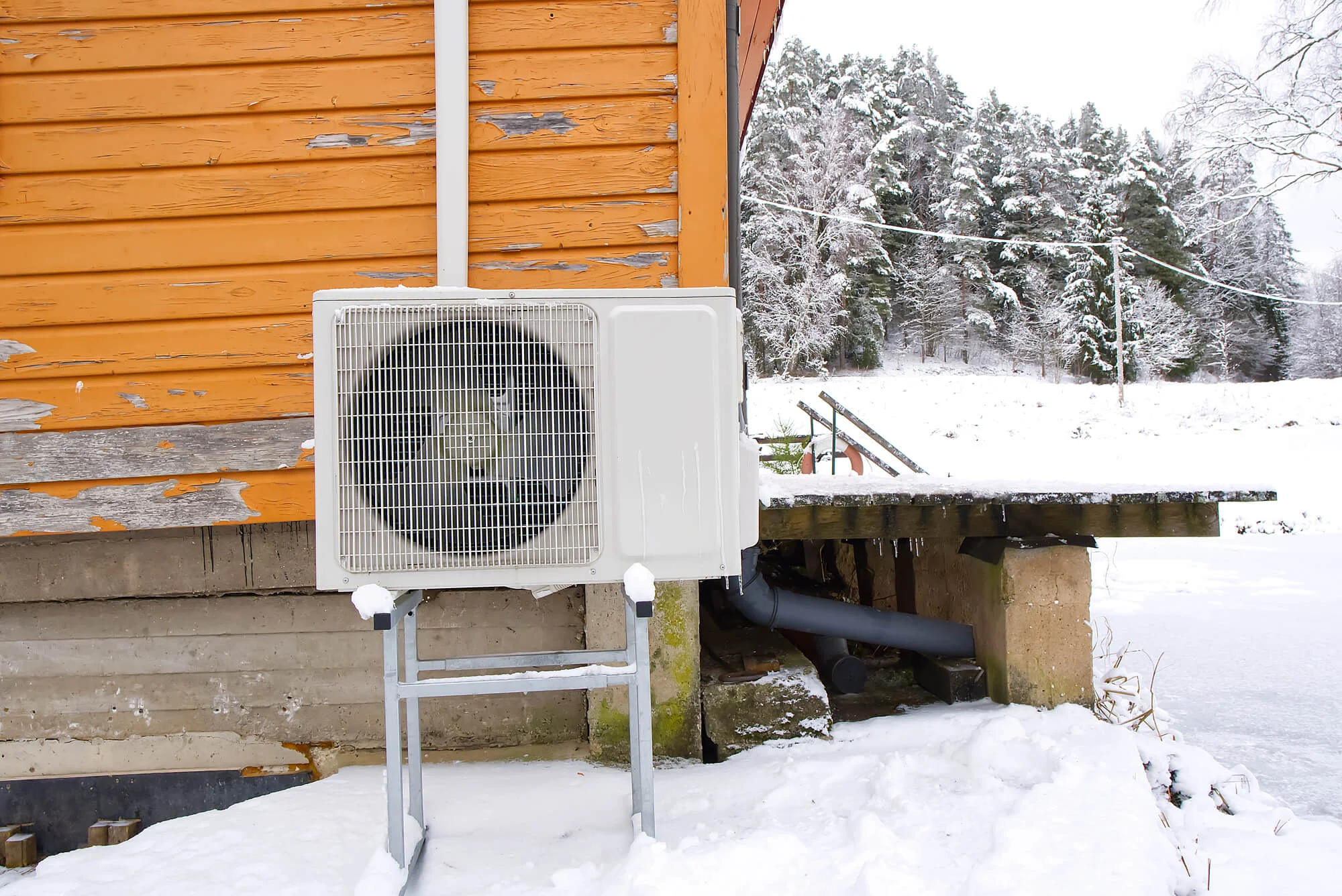
Your heat pump’s outdoor unit needs breathing room. Snowdrifts, ice buildup, or fallen debris can choke off airflow, overheat the unit, or even cause long-term damage.
Make it a habit to:
- Keep at least 2–3 feet of space clear around the outdoor unit
- Gently remove snow with a broom (not a shovel)
- Check regularly after storms or heavy snowfall
Never pour hot water on ice. If freezing becomes a recurring problem, consult a technician about protective solutions like a shelter or cover designed for HVAC systems.
4. Check for Duct Leaks or Obstructions
If your home uses ductwork, those ducts greatly affect system performance. Leaky or obstructed ducts can let warm air escape before it ever reaches your rooms.
Signs of duct issues:
- Uneven heating
- Cold spots in specific rooms
- Higher-than-expected energy bills
Sealing duct leaks or insulating exposed ductwork can dramatically improve efficiency. For ductless systems, make sure wall units aren’t blocked by furniture or dust buildup.
5. Use a Smart or Programmable Thermostat
Short cycling is one of the fastest ways to wear out your heat pump. A smart or programmable thermostat can help reduce that risk. It keeps the temperature steady and minimizes on/off cycling.
Set a consistent indoor temperature. Avoid big swings that force your system to start and stop repeatedly. For Coeur d’Alene winters, keeping the temperature in the 68–72°F range balances comfort and energy use.
Many systems, especially ductless mini splits, can sync with smart thermostats for added control and savings.
6. Watch for Warning Signs
Strange sounds or changes in performance can be early indicators of trouble. Addressing issues promptly keeps small problems from turning into major repairs.
Listen and look for:
- Grinding, clicking, or buzzing noises
- Longer run times
- Low airflow
- Frequent cycling
- Ice forming on the outdoor unit
These signs often mean something needs adjustment or repair. Getting help early can save your system—and your wallet.
7. Keep the System Clean
Dirt and debris can settle in your heat pump’s interior components, reducing efficiency. This is especially true after a long, dusty fall or a windy winter storm.
Cleaning includes:
- Wiping down the blower motor
- Checking and cleaning the fan blades
- Inspecting the indoor coil for dust buildup
- Making sure drain lines are clear
Routine cleaning during a maintenance visit prevents overheating and keeps airflow unrestricted.
8. Consider a Maintenance Plan
Preventive maintenance isn’t just a good idea—it’s one of the smartest ways to extend your system’s lifespan. A yearly service plan ensures your system receives the regular attention it needs, without you having to remember to schedule it.
What’s usually included:
- Priority service appointments
- Annual or seasonal tune-ups
- Discounted repair rates
- System performance checks
- Diagnostic testing
A maintenance plan helps catch minor problems before they lead to system failure. It also protects your investment and makes budgeting for HVAC care easier.
When to Repair vs. Replace Your Heat Pump
Even with excellent care, every system eventually reaches its limit. When performance drops, you’ll need to decide between repairing and replacing your unit.
Repair is often best when:
- The unit is under 10 years old
- The issue is minor or isolated
- The cost of repair is less than 25% of the replacement price
- It’s the first or second repair needed
Replacement may be smarter if:
- Your heat pump is 12–15+ years old
- Repairs are becoming frequent or expensive
- Your energy bills are rising
- The system uses an outdated refrigerant (like R-22)
Modern systems are more energy-efficient and quieter. Many are designed to handle colder climates better. If your current unit struggles to keep up, replacing it could lower monthly bills and improve comfort year-round.
Don’t Forget About Home Insulation
Your heat pump is only as efficient as the environment it’s working in. Poor insulation makes your system work harder, shortening its life and increasing utility bills.
To support your HVAC system:
- Seal gaps around doors and windows
- Insulate attics and crawl spaces
- Use insulated curtains to retain heat
- Add weather stripping to exterior doors
A well-insulated home reduces heat loss and allows your system to maintain comfortable temperatures without overexertion.
Tips for Ductless Mini Split Systems
Mini split systems are growing in popularity across Idaho. These ductless units offer zoned heating and cooling, energy savings, and flexible installation.
Here’s how to extend their life:
- Clean or replace filters monthly
- Keep indoor heads free from obstructions (curtains, furniture)
- Use heat mode efficiently—avoid toggling modes quickly
- Schedule regular professional tune-ups for each zone
- Clear outdoor units of snow and debris
Mini splits are especially efficient in mild-to-moderate winters but still require attention to remain reliable during extreme cold.
How to Handle a Sudden Cold Snap Without Overworking Your Heat Pump
Even with regular maintenance, Idaho weather can surprise you with a deep freeze that pushes your heat pump to its limit. During these unexpected cold snaps, a few strategic actions can help protect your system and maintain comfort without overloading it.
- Avoid drastic thermostat adjustments. If you come home to a cold house, don’t crank the heat to 80°F. Raising the temperature in small increments—around 2°F every 30 minutes—is gentler on your system. Rapid spikes can cause the compressor to short-cycle, leading to long-term wear.
- Use ceiling fans in reverse. Most people forget that fans can support heating. Set them to spin clockwise on low speed. This pushes warm air down from the ceiling, helping your space feel warmer without forcing the heat pump to do more work.
- Close off unused rooms. If you have a zoned ductless system, you already enjoy individualized control. For central systems, closing doors to rooms that don’t need heating (like guest bedrooms or storage areas) can reduce demand and improve efficiency. Be mindful not to block airflow completely, though—closed vents can create pressure issues in some systems.
- Layer up with passive heating tricks. Open blinds and curtains during the day to let sunlight in. After sundown, close them tightly to keep the warmth in. Add thick rugs to cold floors and seal minor drafts with removable weatherstripping.
These tips won’t replace professional care, but they give your system a break when it needs it most. They also keep your home more comfortable without relying solely on mechanical heat.
Heat Pump in Coeur d’Alene, ID: What to Know This Winter
Homeowners in Coeur d’Alene are no strangers to deep freezes, high winds, and long, cold stretches. That’s why taking care of your heat pump isn’t optional—it’s essential. Cold nights and snowy mornings shouldn’t come with anxiety about your heat pump.
Whether you need seasonal maintenance, emergency repairs, or a system upgrade, the experienced professionals at Holliday Heating + Cooling + Electric are ready to help. With 24/7 emergency service, expert HVAC care, and unmatched guarantees, we’re committed to keeping your home warm all winter.
Contact us today to schedule a service or request a free second opinion. Don’t wait for a breakdown—prepare your home the smart way.