
Winter in Spokane can be unpredictable, with snowstorms and freezing temperatures causing frequent power outages. While these outages may be unavoidable, preparing your home’s electrical system in advance can ensure your safety and comfort.
As an electrician in Spokane, we understand the unique challenges homeowners face during the winter months, and we’re here to guide you through the essential steps to protect your electrical system from power disruptions.
Whether you’re upgrading your electrical panel, installing a backup generator, or simply taking preventive measures, being prepared will help minimize the risks associated with power loss.

Why Power Outages Are Common in Spokane Winters
Spokane’s winter weather is notorious for causing power outages. Snow, ice, and freezing rain can bring down power lines, cause trees to fall, and lead to widespread electrical failures. While power outages can happen at any time of the year, they are more frequent in the winter months due to the heavy storms and cold temperatures that strain electrical systems.
For homes in more rural areas, these issues can be even more problematic. Local infrastructure may be older or more vulnerable to weather-related damage. That means it’s especially important for homeowners to ensure their electrical systems are well-maintained and properly prepared for winter conditions.
Preparing Your Electrical System for Winter Power Outages
Taking a few proactive steps before winter hits can help safeguard your electrical system during power outages. Here’s how to prepare:
1. Upgrade Your Electrical Panel
Older electrical panels may struggle during power surges or outages. If your system is outdated, you may be putting your home at risk. A modern electrical panel with surge protection ensures that your home is better equipped to handle power fluctuations.
Signs your electrical panel may need an upgrade include:
- Tripped breakers that cannot be reset
- Flickering lights or constantly tripped fuses
- A panel that’s over 20 years old
- Outdated wiring or a lack of grounding
If any of these apply to your home, it’s time to consider upgrading your electrical panel. An electrician can help you assess the condition of your panel and recommend the best course of action.
2. Install a Whole-Home Surge Protector
Power surges are one of the most common causes of electrical damage during power outages. When the power comes back on, electrical systems may experience sudden spikes that can damage sensitive appliances, HVAC systems, and electronics. Installing a whole-home surge protector provides a barrier against these surges.
Whole-home surge protectors:
- Safeguard appliances, electronics, and heating systems from damage
- Prevent the risk of electrical fires caused by power surges
- Are installed at the main electrical panel, protecting the entire home
Consult with an electrician to determine the appropriate surge protection for your home.
How to Protect Your Home During a Power Outage
Power outages often come with unexpected consequences, from loss of heat to disruption of essential services. Here are a few ways to keep your home safe and comfortable while waiting for the power to return:
1. Invest in a Backup Generator
Having a backup generator is a great way to maintain power during a winter outage. A backup generator can keep essential systems, like your furnace and lights, running until the power is restored. There are two main types of backup generators to consider:
- Portable generators: Suitable for smaller homes or specific needs. They require manual setup and fuel refills.
- Whole-house generators: These are permanently installed and automatically switch on when the power goes out, providing consistent energy for larger homes or essential systems.
When choosing a generator, make sure it is properly sized to meet your needs. Consult with a professional to ensure you have the right power capacity for your home.
2. Use Battery Backup for Critical Systems
For homes with medical devices or home security systems, a battery backup is essential. Battery backup systems ensure that these critical systems continue functioning during a power outage. Sump pumps, medical equipment, and security cameras are some of the systems that can benefit from a reliable battery backup.
A battery backup:
- Keeps essential devices running when the power goes out
- Offers peace of mind for homeowners with medical equipment needs
- Prevents water damage from a non-functioning sump pump
3. Seal and Insulate Your Home
One of the biggest challenges during a power outage is maintaining warmth, especially during Spokane’s cold winter months. By sealing drafts and adding insulation, you can help keep your home warmer for longer, reducing the strain on backup heat sources. Here are a few ways to insulate your home:
- Seal gaps around windows and doors
- Use heavy curtains or thermal window coverings
- Insulate your attic and exterior walls
Maintaining warmth without relying entirely on electrical systems will make your home more comfortable and energy-efficient during an outage.
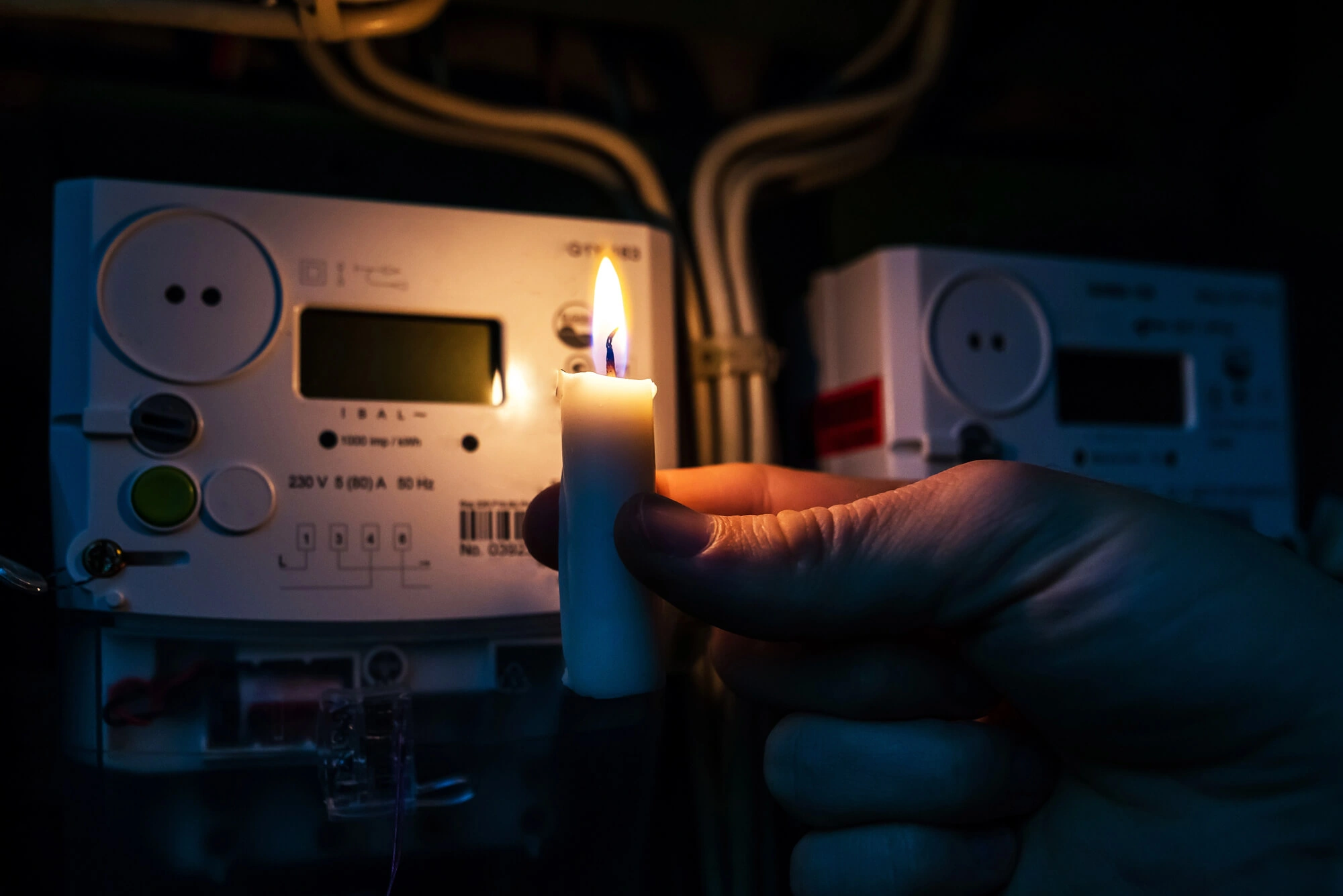
Preparing for Specific Winter Outage Scenarios
While power outages in Spokane are often caused by snow and ice, different types of storms require different preparations. Here’s how to prepare for the most common scenarios:
During a Snowstorm
Snowstorms often bring high winds and heavy snow, which can knock down power lines. When preparing for snowstorms, ensure that your home is equipped with:
- A generator to provide backup power
- Flashlights, batteries, and other emergency supplies
- Non-perishable food and water
- Warm clothing and blankets
It’s a good idea to keep your generator and essential emergency supplies easily accessible so you can quickly set them up during a snowstorm.
Extended Power Outages
Sometimes, power can be out for several days, especially during severe winter storms. In these cases, maintaining food safety and heat is critical. Consider investing in:
- A high-capacity generator that can run multiple systems for an extended period
- Insulated blankets and emergency thermal bags to keep food cold
- Battery-operated lights and radios for communication
Planning ahead for extended outages ensures that you and your family can stay safe and comfortable during longer disruptions.
What to Do Once Power Is Restored
When the power finally returns after a winter outage, it’s tempting to jump straight into your regular routine. However, it’s important to wait a few minutes before using your electrical system to avoid damaging sensitive appliances and electronics.
Avoid Electrical Surges
When power is restored, electrical systems can experience a surge. This can cause damage to home appliances, heating systems, or even the electrical panel. Here’s what to do:
- Wait before turning everything on: Start by turning off non-essential appliances and electronics. Wait 5–10 minutes before restarting any major systems.
- Turn on appliances gradually: Start with the essentials (like the fridge), then move to heating, lighting, and other systems.
- Check circuit breakers: If your electrical panel has tripped during the outage, reset the breakers gradually. Avoid flipping all of them at once.
By giving your system time to adjust, you help prevent overloading circuits and ensure smoother restoration of power.
How to Maintain Your Electrical System During Winter
Keeping your electrical system well-maintained throughout the year can prevent issues during winter power outages. Below are some tips for ongoing maintenance:
1. Schedule Regular Inspections
Have a licensed electrician inspect your electrical system every 1–2 years, especially before the colder months hit. Technicians can identify early signs of wear, old wiring, or outdated components that might fail during an outage. Routine inspections also ensure your system is grounded and up to local codes.
2. Check the Condition of Wiring
If your home has older wiring, especially if it hasn’t been upgraded in over 20 years, it could be vulnerable to damage. Electrical wiring should be free from visible wear and tear, particularly in areas like the attic, basement, or outdoor spaces. Regular checks help prevent issues like electrical shorts and fire hazards.
3. Test Your Backup Power Systems Regularly
It’s important to test your backup generator and battery systems periodically to ensure they’re ready when needed. Running a test every few months, even when you’re not experiencing a power outage, will confirm that everything is functioning properly. Change the oil in portable generators and recharge battery backups as needed.
Signs Your Electrical System Needs Attention Before Winter Strikes
Electrical systems that are underperforming can increase the risk of problems during winter power outages. If you notice any of the following signs, it’s time to call in a professional to inspect your system:
- Tripped breakers or blown fuses: Frequent tripping is a sign of an overloaded or faulty circuit.
- Flickering lights or dimming: This could indicate an issue with the wiring or your electrical panel.
- Burning smells: A burning odor around electrical outlets or switches could mean your system is overheating.
- Buzzing or cracking sounds: These sounds often point to a malfunctioning circuit or appliance.
- Warm outlets or switches: This is an indicator of poor connections and could be a fire hazard.
Addressing these problems early can help you avoid more costly repairs and ensure your electrical system is ready to handle the stress of winter.
How to Stay Safe During Winter Power Outages in Spokane
During power outages, safety is the top priority. Here are some electrical safety tips for homeowners in Spokane to follow:
1. Use Generators Safely
If you rely on a generator during outages, always use it outdoors, away from windows and doors. Never run a generator inside your garage, even if the door is open, as this can lead to carbon monoxide poisoning. Keep the generator at least 20 feet away from your home.
2. Avoid Overloading Circuits
During an outage, it may be tempting to plug in as many appliances as possible. However, this can cause your circuits to overload, which could result in a fire. Make sure to use only one appliance per outlet or power strip, and avoid using multiple high-wattage appliances simultaneously.
3. Check for Damaged Wires and Exposed Electrical Parts
If your property has experienced severe weather, check outdoor electrical lines for visible damage. Do not touch any downed wires, as they could still be live. Always assume downed lines are dangerous and report them immediately to the utility company.
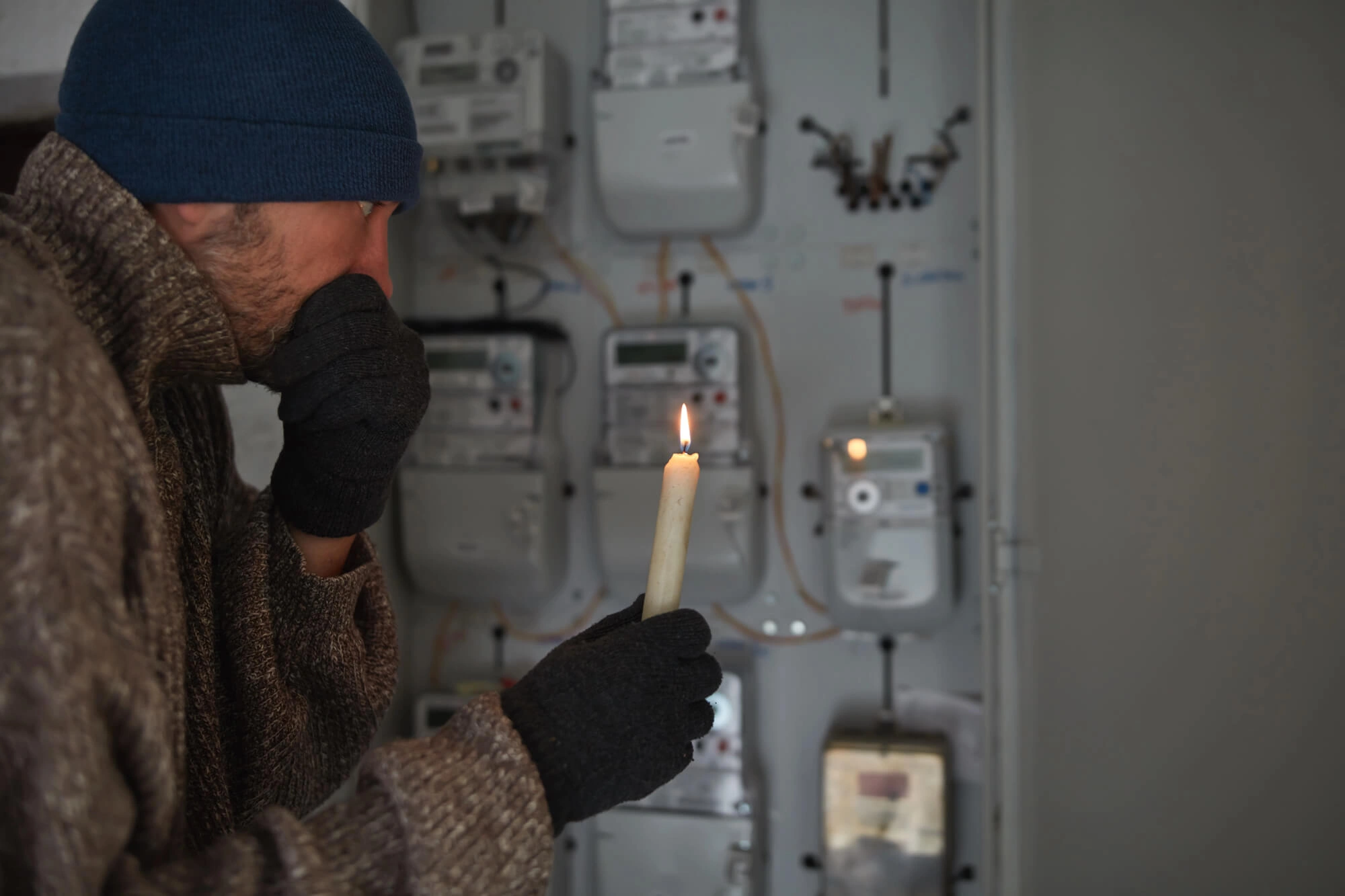
Are You Looking for a Trusted Electrician in Spokane?
At Holliday Heating + Cooling + Electric, we understand the challenges that Spokane homeowners face during the winter months. With our freezing temperatures, snowstorms, and power outages, it’s crucial to have a reliable electrical system that can keep your home comfortable and safe.
As your trusted electrician in Spokane, we specialize in preparing homes for winter outages by offering a variety of services, including electrical panel upgrades, surge protector installations, and backup generator installations. We also provide annual maintenance and system inspections to ensure that your electrical system is up to the task of handling winter’s harsh conditions.
If you haven’t had your electrical system inspected this year or if you’re concerned about your backup power capabilities, don’t wait until the next storm hits. Contact us today to schedule a professional inspection or upgrade your home’s electrical system to ensure you’re ready for whatever winter brings.