
Skepticism about heat pumps in cold climates is common, and it’s understandable.
Decades ago, that skepticism was often justified, since older heat pump models genuinely struggled once temperatures dropped well below freezing, sometimes losing so much heating capacity that homeowners were left relying almost entirely on backup heat strips just to stay comfortable.
If you’re considering heat pump installation in Spokane, WA, it’s worth going beyond a simple yes-or-no answer and actually looking at the numbers, the technology, and the real-world caveats that determine how well a system performs through a Spokane winter.
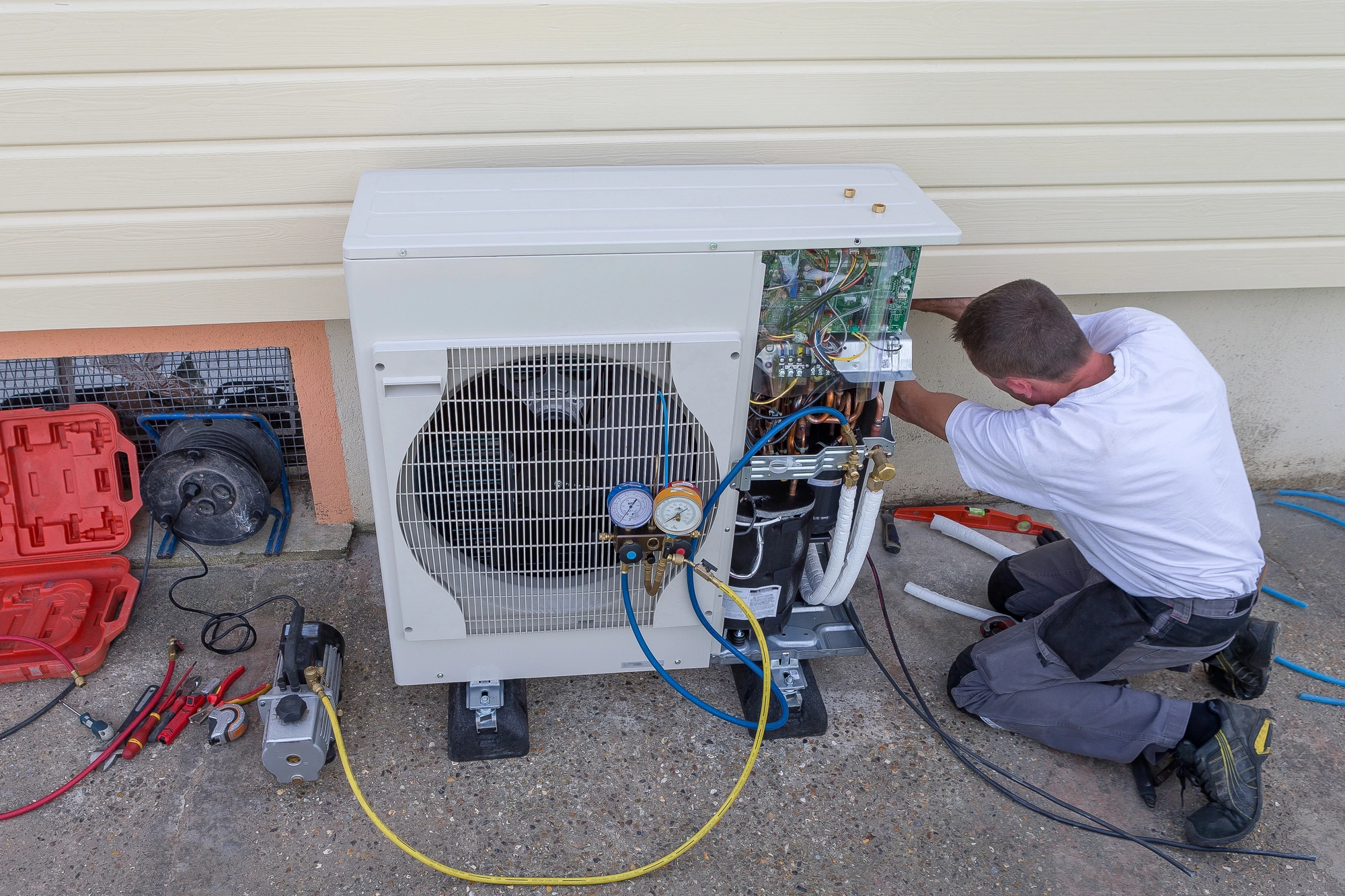
Why the Skepticism Exists in the First Place
Older heat pump models really did lose significant efficiency and heating capacity once outdoor temperatures dropped into the teens or single digits.
In many cases, the compressor simply couldn’t keep pace with the demand, and the system would default to expensive electric resistance backup for extended stretches, driving up utility bills and reinforcing the idea that heat pumps just weren’t built for real cold.
That history still shapes a lot of homeowner assumptions today, even though the underlying technology has moved on considerably since then.
What Changed: Cold-Climate Heat Pump Technology
Several specific technical advances explain the difference between an older heat pump and a modern cold-climate model.
Variable-speed compressors, improved refrigerant blends, and enhanced vapor injection technology all allow modern units to extract usable heat from much colder outdoor air than older fixed-speed systems ever could. A few things set cold-climate-rated heat pumps apart from standard models:
- Variable-speed compressors that ramp up output as outdoor temperatures drop
- Enhanced vapor injection technology for better low-temperature performance
- Cold-climate refrigerant blends designed for reliable sub-freezing operation
- Specific ratings and certifications for cold-climate performance, distinct from standard heat pump ratings
This is also where ductless mini-split systems often come up in the conversation, since many of the mini-split lines on the market today carry cold-climate certifications and perform especially well in colder regions.
Unlike older single-speed systems that were essentially either fully on or fully off, variable-speed compressors can modulate output across a wide range, which means the system can respond precisely to how much heat is actually needed at any given outdoor temperature rather than working in the same blunt, inefficient way regardless of conditions.
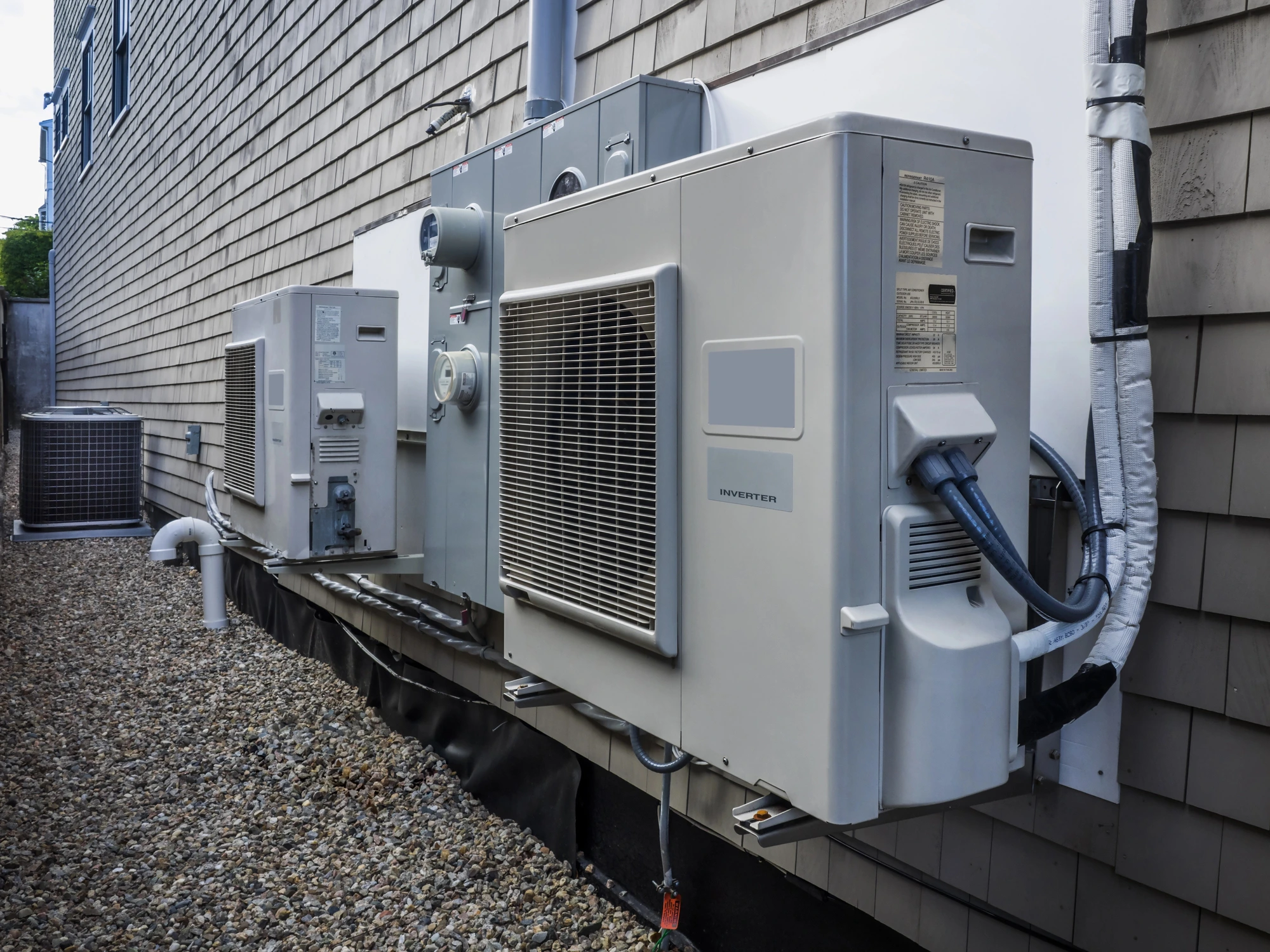
The Actual Numbers: How Cold Is Too Cold?
Rather than a vague reassurance, it helps to look at the specific thresholds involved.
According to NEEP, the Northeast Energy Efficiency Partnerships, ENERGY STAR’s cold climate criteria verify heat pump performance at 5°F, while the U.S. Department of Energy’s cold climate challenge specification pushes further, requiring performance reporting at -5°F or even -15°F.
In other words, today’s cold-climate-rated heat pumps are being tested and engineered for conditions considerably colder than what Spokane typically sees in an average winter.
Real-world field data backs this up. A multi-year field validation study conducted by the National Renewable Energy Laboratory monitored variable-capacity air-source heat pumps installed in homes across the Pacific Northwest through full winter seasons, specifically to evaluate cold-temperature performance.
This kind of field-tested data matters more than general assumptions carried over from older technology. Spokane’s average winter lows typically hover in the mid-20s to low 30s Fahrenheit, with occasional cold snaps dropping into the single digits or, rarely, below zero for short stretches.
Against the 5°F, -5°F, and -15°F benchmarks used in cold-climate testing, that means a properly rated system is being engineered for conditions considerably harsher than what a typical Spokane winter actually delivers.
Efficiency in Cold Weather: What COP Actually Means
Coefficient of Performance, or COP, is simply a measure of how much heat output a system delivers for each unit of electricity it consumes.
A COP of 3, for example, means the system delivers three units of heat for every one unit of electricity used, which is already a significant improvement over electric resistance heating, which delivers roughly one unit of heat per unit of electricity by definition.
As outdoor temperatures drop, COP naturally declines, since the heat pump has to work harder to extract heat from colder air. A system might run at a COP of 3 or higher during a mild 45°F day, then drop to something closer to 1.75 or 2 during a harsh cold snap.
Even so, a modern cold-climate heat pump operating at a reduced COP in extreme cold is often still more efficient than electric resistance heat, though the efficiency gap compared to gas heating can narrow in the coldest stretches of the season.
Homeowners weighing this trade-off may find it useful to revisit how to choose the right heat pump setup for their specific home and comfort goals.
Why Proper Sizing and Installation Matter More in Cold Climates
An undersized heat pump will struggle disproportionately once temperatures drop, which makes accurate load calculations especially important for Spokane-area installations.
A load calculation accounts for factors like square footage, insulation levels, window efficiency, and local climate data to determine the exact heating and cooling capacity a home actually needs, rather than relying on a rough estimate based on the size of the old system being replaced.
Installation quality, including refrigerant charge, ductwork condition, and outdoor unit placement, has a far bigger impact on cold-weather performance than it does in milder climates, where a slightly imperfect installation might go unnoticed for years.
A professional heat pump installation process should always start with a proper assessment of the home rather than a one-size-fits-all recommendation.
The Role of Backup Heat
Dual-fuel systems, which pair a heat pump with a furnace, and electric resistance backup are two common strategies for handling the coldest snaps of the year.
Most dual-fuel setups rely on what’s known as a “balance point,” a specific outdoor temperature below which the system automatically switches from the heat pump to the furnace, since that’s the point where the furnace becomes the more efficient or more capable option.
Neither of these approaches is a sign that a heat pump “doesn’t work.” They’re standard, deliberate design strategies used even in high-performing cold-climate systems, allowing the home to rely on the heat pump’s efficiency most of the time while still having reliable backup on the rare days temperatures fall to extremes.
A furnace paired with a heat pump is one of the more common setups homeowners choose for exactly this reason, since it combines the everyday efficiency of a heat pump with the reassurance of a furnace for the handful of nights each year when it truly gets brutally cold.
What This Means for Spokane Homeowners Specifically
Spokane’s climate, while genuinely cold in winter, doesn’t regularly hit the extreme lows where even modern cold-climate heat pumps start to struggle.
Most homes throughout Spokane and the surrounding Inland Northwest that have a properly sized, cold-climate-rated system installed correctly will see reliable performance and real efficiency gains for the vast majority of the winter season, with backup heat simply covering the handful of days each year when temperatures drop into truly extreme territory.
For most homeowners, that translates into lower monthly energy costs for the bulk of the heating season, with the peace of mind that a backup system, if included, is there for the rare exception rather than a regular occurrence.
Frequently Asked Questions
Do heat pumps really work when it’s below freezing?
Yes. Modern cold-climate heat pumps are specifically designed to operate efficiently well below freezing, with many models rated for reliable performance down to 5°F or lower.
Will I need a backup heat source?
Many Spokane homeowners pair a heat pump with backup heat for the coldest snaps of the year, though it isn’t always required depending on the specific system and home.
Are cold-climate heat pumps more expensive than standard ones?
Typically, yes. However, the efficiency gains and eligibility for rebates or tax credits often offset the higher upfront cost over the life of the system.
How do I know if my home is a good fit for a heat pump?
A professional load calculation and site assessment are the most reliable ways to confirm proper sizing and realistic performance expectations for your specific home.
Do I need a dual-fuel system, or will a heat pump alone be enough?
It depends on your home’s insulation, ductwork, and personal comfort preferences. Some Spokane homeowners run a heat pump alone year-round, while others prefer the added reassurance of a furnace backup for the coldest nights.
How long does a cold-climate heat pump typically last?
With proper maintenance, most systems last 12 to 15 years, similar to standard heat pumps, though performance and efficiency depend heavily on installation quality and regular upkeep.

Cold-Climate Comfort Starts Here with a Heat Pump Installation in Spokane, WA
At Holliday Heating, our priority is our customers’ comfort. Heat pump technology has come a long way, and so has the confidence that homeowners and we can have in it. Our team of experts is ready to walk through a full site assessment and help you find the right cold-climate system for your home. Contact us today to find the right temperature for your home, all year round.