
Your furnace is aging, you call for a quote, and somewhere in the conversation someone asks, “Have you thought about a heat pump?” Suddenly a simple replacement feels like an either-or decision. It does not have to be. A dual-fuel system pairs a heat pump with a gas furnace so each one handles the weather it is suited for.
If you are researching furnace installation in Spokane, knowing more about how dual fuel works, who it fits, who it does not, and what to ask before you sign anything can really help you feel at ease about any of your heating choices.
What “Dual Fuel” Actually Means
A dual-fuel system, sometimes called a hybrid system, combines an electric heat pump with a gas furnace and runs both through the same ductwork. The heat pump also provides air conditioning in summer, so it can take the place of a central AC at the same time.
According to ENERGY STAR, dual-fuel systems give you the flexibility to heat with either the heat pump or a traditional furnace, and to use each one where it makes the most sense for cost and comfort.
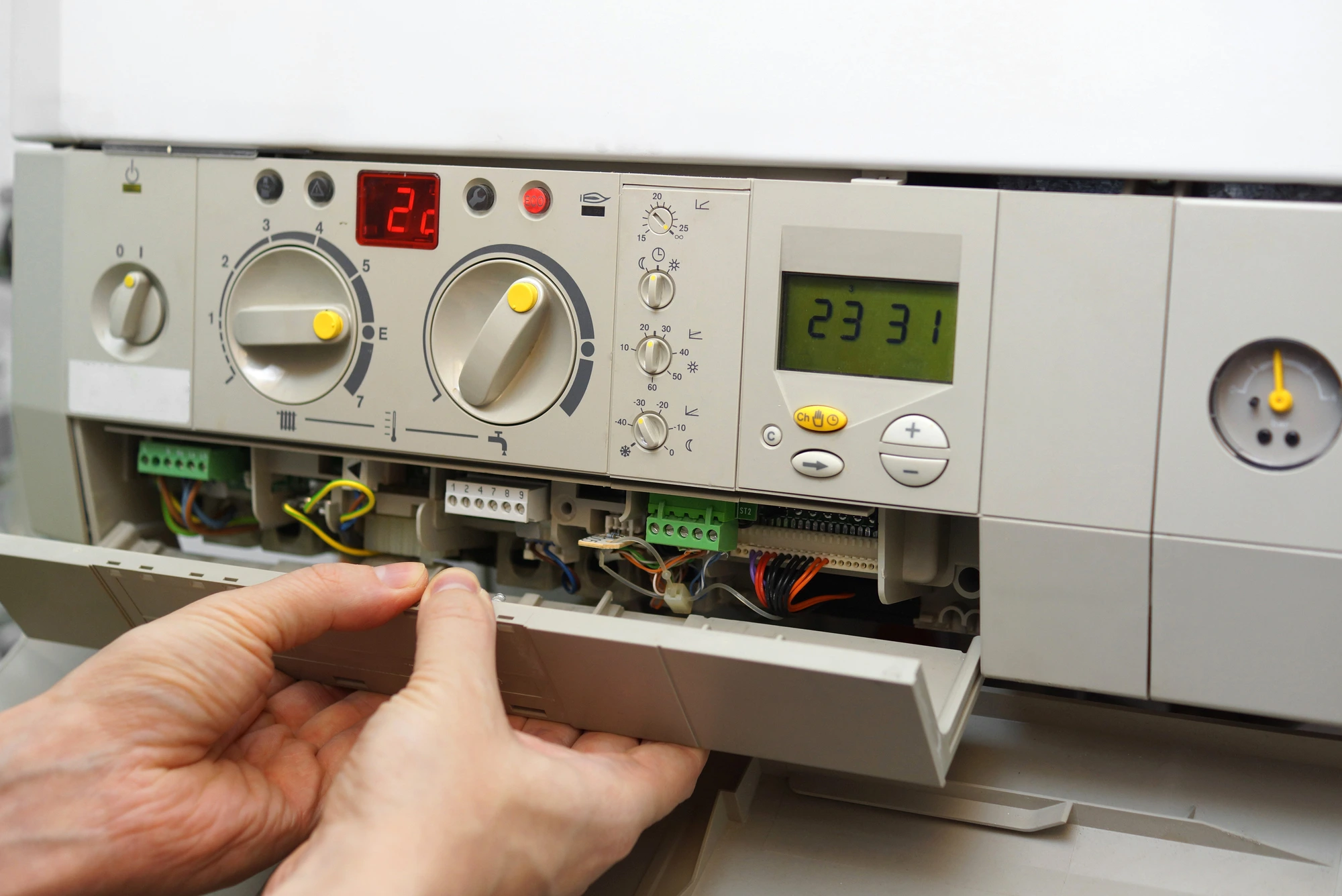
A control, usually a thermostat designed for the purpose, decides which source runs based on the outdoor temperature. The point where the system changes over is called the switchover or balance point. Above it, the heat pump does the work. Below it, the furnace takes over.
That is different from a standard heat pump with electric resistance backup, where the backup heat is far less efficient than the heat pump itself. Because heat pumps move heat instead of creating it, ENERGY STAR notes they can deliver up to three times more heat energy than the electricity they use, which is why they are worth considering for the milder days that make up much of a Spokane heating season.
How Each Option Performs in a Spokane Winter
Spokane winters bring long stretches of cold and the occasional deep freeze, so each heating option has strengths and limits worth understanding.
A Gas Furnace on Its Own
A gas furnace delivers dependable, high-output heat no matter how far the temperature falls, which is why it has long been the default in this area. The tradeoff is that it burns fuel whenever it runs, so you do not get heat pump efficiency on the many milder days. You can learn more about gas furnace service and installation before you compare options.
A Heat Pump on Its Own
Heat pumps have improved significantly. ENERGY STAR’s cold-climate certification requires verified performance testing down to 5°F, and the Department of Energy reports that cold-climate air-source heat pumps can reduce household energy consumption by up to 40 percent, with homes that now heat with electric resistance or fuel oil likely to see the most savings.
That last detail matters: if you heat with gas today, how much a heat pump saves depends heavily on your electric and gas rates. At the lowest temperatures, ENERGY STAR notes that pairing a heat pump with a backup heat source is the most efficient approach.
Dual Fuel: Splitting the Difference
A dual-fuel setup lets the heat pump cover the mild-to-cool weather and hands the coldest stretches to the furnace, with no manual switching. Here is how the three options compare:
- Gas furnace only: dependable in deep cold, but no heat pump efficiency, and you need a separate air conditioner for summer
- Heat pump only: one system for heating and cooling, but backup heat is costly to run in the coldest weather, and performance depends on a cold-climate rating and proper sizing
- Dual fuel: efficient heating and cooling in milder weather with a gas furnace for the coldest days, but two heat sources to buy and maintain
Who Dual Fuel Makes the Most Sense For
Dual fuel tends to be a strong fit when:
- Your home already has natural gas service and ductwork
- You want efficient heating and air conditioning from one outdoor unit
- You want a proven backup for the coldest nights
- Going all-electric could mean an electrical panel upgrade, which a licensed electrician can evaluate through electrical services
There is also a retrofit angle. ENERGY STAR notes that if you have a relatively new furnace and an older central AC, replacing the AC with a heat pump creates a dual-fuel system for a modest extra cost over a new AC.
Dual fuel is not right for every home. If you have no gas service, if you want to move away from gas entirely, or if the budget is tight, a different setup may fit better.
A properly sized cold-climate heat pump with a backup plan, or a high-efficiency gas furnace with a separate air conditioner, can be the right answer for some households. The goal is a recommendation built around your home, not a trend.
Costs, Rebates, and Utility Rates
The honest answer to “what will it cost?” is that it depends. The investment varies with the equipment you choose, the scope of the installation, the controls, and any duct or electrical work. Operating cost depends on your electric and gas rates and on where the switchover is set. Ask any contractor to compare options using your own utility bills instead of generic savings claims.
Incentives also change. Avista’s residential rebate pages list current programs for Washington customers, and eligibility depends on details such as your home’s primary heating fuel and whether the equipment is new. A local contractor’s rebates page can point you toward the programs that apply.
Federal home energy tax credits for heat pumps and efficiency upgrades expired for equipment placed in service after December 31, 2025, so confirm current federal incentives before you count on one.
What Dual-Fuel Furnace Installation in Spokane Involves
A dual-fuel installation involves more than swapping one box for another. Expect a process like this:
- A home assessment and a Manual J load calculation, which ENERGY STAR says your contractor should use to verify the right size
- Equipment matching, so the furnace, heat pump, indoor coil, and controls work together
- A ductwork and airflow evaluation, including checks for leaks, sizing, and insulation
- Gas, electrical, ventilation, and permit work
- Controls and switchover programming
- Startup testing and a walkthrough of how the system operates
Sizing and ducts deserve extra attention. ENERGY STAR points out that a system that is too large or too small for the home will struggle to deliver comfort, and leaky or poorly insulated ducts make any system work harder. That is true whether you choose a furnace, a heat pump, or both.
Living With a Dual-Fuel System: Thermostat Habits That Matter
How you run the system affects how well it performs. ENERGY STAR’s guidance for heat pumps offers a few habits that carry over to dual fuel. Unlike a furnace, a heat pump does not save energy by being turned way down while you are away or asleep, so it works best when you pick a comfortable temperature and leave it there.
Big overnight setbacks can also make the system lean on its backup heat more often. ENERGY STAR also recommends avoiding “Auto” mode so the system is not switching between heating and cooling on unseasonably warm or cold days, and keeping the filter clean, since a clogged filter makes any system work harder.
Ask your installer how your thermostat is programmed and what settings they recommend, because a dual-fuel control works differently from a basic thermostat and the right schedule depends on your equipment and utility rates.
Questions to Ask Any Contractor
Bring these to every estimate:
- Did you perform a load calculation, or are you sizing based on the old unit?
- Is the heat pump rated for cold climates, and why did you choose this model?
- What switchover temperature do you recommend, and why?
- How will you evaluate the ductwork, and what happens if it needs work?
- Who maintains both systems, and how often?
That last question matters because two heat sources mean two sets of maintenance. Regular tune-ups keep both the furnace and the heat pump running as designed and help catch small problems before a cold snap.
Frequently Asked Questions
Can a heat pump replace my furnace in Spokane?
It often can with the right cold-climate model, proper sizing, and a plan for the coldest days, but it depends on your home and your priorities.
At what temperature does a dual-fuel system switch to gas?
It is an adjustable setting that depends on the equipment, your utility rates, and your comfort preferences. Cold-climate models can usually run at lower outdoor temperatures before the furnace takes over.
Will dual fuel lower my heating bills?
It depends on your home, your electric and gas rates, and the switchover setting. The Department of Energy notes the biggest savings go to homes switching from electric resistance or fuel oil, so ask for a comparison based on your own bills.
Can I add a heat pump to my existing furnace?
Sometimes. A relatively new furnace can be paired with a heat pump to create a dual-fuel system, but the furnace, ductwork, and controls need to be evaluated first.
Does a dual-fuel system also cool my home?
Yes. The heat pump works as your air conditioner in summer.
Ready for Furnace Installation in Spokane? Schedule Your Dual-Fuel Consultation
Not sure whether a furnace, a heat pump, or both fits your home? Our team at Holliday Heating, serving Spokane since 1986, can assess your ductwork, gas and electrical setup, and comfort goals, then walk you through your options. Schedule a consultation or call us at 509-838-5717 to get a recommendation built around your home.